
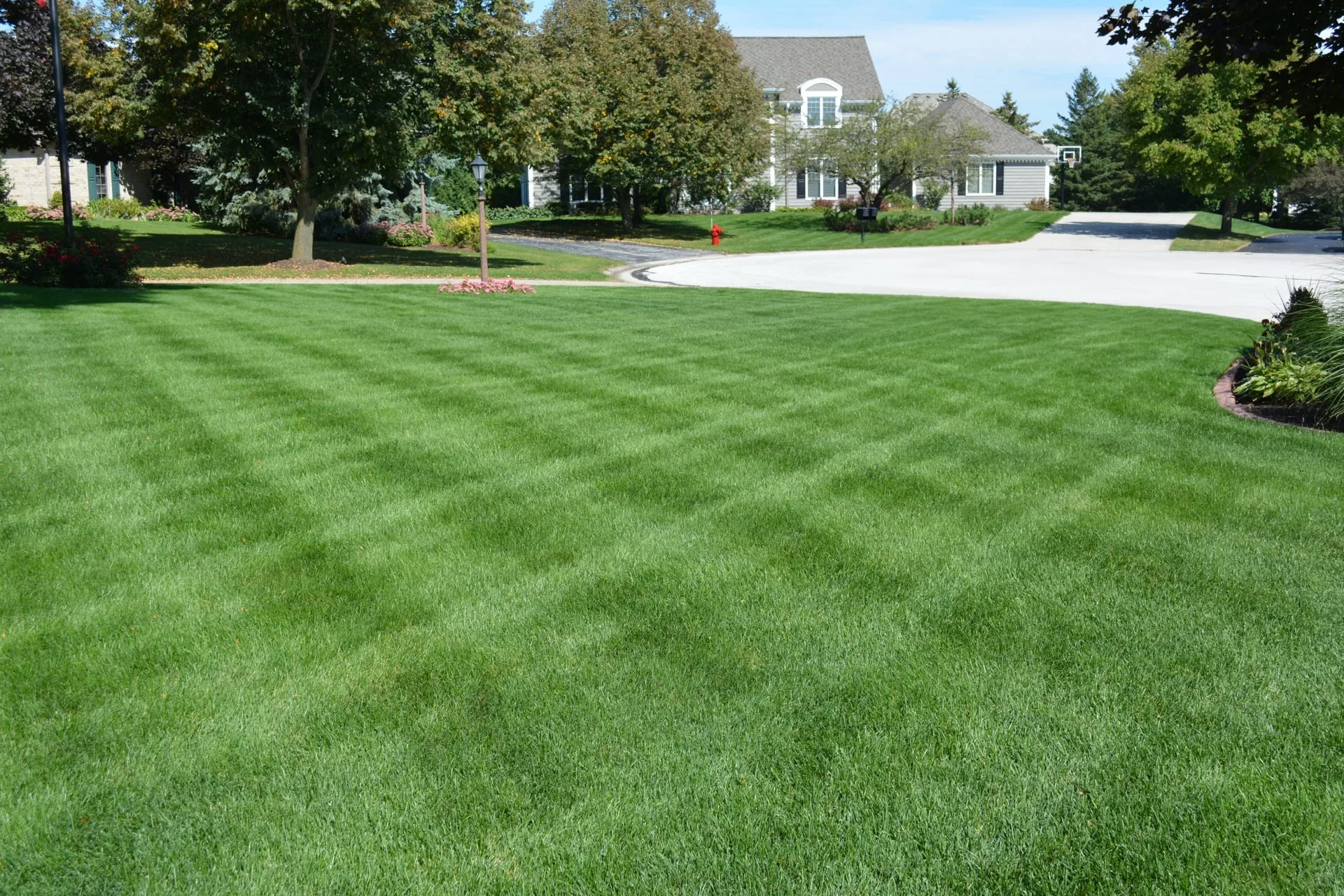
A lot of lawn fertilizer gets put down at the wrong time, then blamed when the yard still looks tired by July. The best time to fertilize lawn in Northeast Ohio is not just “spring,” and once you line up feeding with how cool-season grass actually grows, the whole thing gets much easier.
What you’ll need before you fertilize
Before you start, get a broadcast or drop spreader, a lawn fertilizer that fits the season, access to a hose or sprinkler, and a rough sense of what grass is in your yard. You do not need a lab coat or a perfect soil report to get this right. You just need decent timing and a little consistency.
In Northeast Ohio, that matters more than people think. A yard in Cleveland or Akron can go from chilly mornings to muggy afternoons fast, and those swings change how well your lawn can use fertilizer.
Step 1: figure out what kind of lawn you have in northeast ohio
Your fertilizing schedule starts with your grass type. In Northeast Ohio, most home lawns are cool-season grasses, and that one detail answers a big part of the timing question right away.
- Look at how your lawn behaves through the year.
- Notice when growth really picks up.
- Use that pattern to guide your feeding schedule.
Cool-season grass grows hardest in spring and fall, then slows down in summer heat. That means your main fertilizer windows are not built around July. They are built around recovery, root growth, and steady thickening before stress hits.
Check for cool-season grass clues
If your lawn wakes up nicely in spring, grows well again when nights cool off in fall, and looks grumpy during hot spells, you are almost certainly dealing with a cool-season mix. Kentucky bluegrass, tall fescue, fine fescue, and perennial ryegrass are common in this region.
That sounds technical, but the clue is simple: if your best mowing weeks happen in April, May, September, and October, your lawn wants cool-season timing.
Use your location as a shortcut
If you live in places like Cleveland, Akron, Mentor, or nearby suburbs, cool-season timing is the default. Even if you do not know the exact seed mix, that shortcut is usually good enough to build a solid fertilizer plan.
Step 2: pick the best fertilizer window instead of guessing by the calendar
The trick is to fertilize when your lawn can actually use nutrients. A date on a bag does not know if your soil is cold, soaked, or bone dry.
- Check for active growth before feeding.
- Wait for real spring wake-up, not a warm fake-out.
- Skip stressful weather windows.
Good timing beats perfect products almost every time.
Watch for active growth, not just green color
A lawn can look green and still not be growing much. What you want to see is steady top growth, enough that mowing becomes regular again. Fresh blades, visible thickening, and roots waking up below the surface are better signs than color alone.
Checkpoint: if you have mowed at least once or twice because the grass actually needed it, your lawn is getting close to fertilizer time.
Wait for the soil to warm up in spring
Early spring feeding works best after the lawn is awake, not during that one sunny week in March that tricks everybody. In Northeast Ohio, cold rain can come right back and stall growth.
Wait until the grass is actively growing and the ground is no longer staying cold and soggy. That usually lands sometime in April, not at the first hint of spring.
Avoid fertilizing during heat or drought stress
Hot, dry grass is already trying to survive. Fertilizer during stress can push top growth your roots cannot support, which is like asking your lawn to sprint with a fever.
If July turns sticky and brown patches start spreading from drought stress, hold off. Your yard will respond better when cooler weather returns.
Step 3: fertilize at the right times of year in northeast ohio
This is the schedule most Northeast Ohio lawns respond to best.
- Feed lightly in early spring.
- Feed again in late spring if growth is steady.
- Go light in summer or skip it during stress.
- Prioritize early fall.
- Finish with a late fall feeding.
Early spring: light feeding when growth begins
Once active growth starts, apply a lighter feeding to help your lawn recover from winter. The goal is support, not a huge flush of blade growth.
If you feed too early or too heavily, your lawn can grow fast on top and stay weak underneath. That usually means more mowing and less payoff.
Late spring: feed before summer pressure ramps up
A second feeding in late spring helps your lawn thicken before heat, weeds, and foot traffic pile on. Around Northeast Ohio, Memorial Day often lands near a useful checkpoint.
If your lawn is growing steadily and moisture is decent, this is a smart time to reinforce density heading into summer.
Summer: go easy or skip it during stress
Summer is not the main event for cool-season turf. If your lawn is heat-stressed or dry, skipping fertilizer is often the better call.
If conditions stay mild and your lawn is irrigated, a very light treatment can work. But honestly, this is the season where restraint usually wins.
Early fall: the most important feeding of the year
Early fall is the best time to fertilize lawn in Northeast Ohio. Cooler air, warmer soil, and active root growth make this the feeding that pays off the most.
This application helps repair summer wear, deepen color, and build strength for the months ahead. If you only get one feeding right all year, get this one right.
Late fall: finish strong before winter
After top growth slows but before the ground freezes, apply a late fall feeding. Your lawn is not trying to push out a bunch of new blades at this point. It is storing energy.
Checkpoint: if mowing has slowed down a lot, but the soil is still workable, that is often the window.
Step 4: choose the right fertilizer for the season
Using the same fertilizer year-round is like wearing winter boots to the beach. It works badly and feels unnecessary.
- Read the label.
- Match the formula to the season.
- Favor steady feeding over quick surges.
Read the fertilizer label without overthinking it
The three numbers on the bag stand for nitrogen, phosphorus, and potassium. Nitrogen drives green growth. Phosphorus supports roots. Potassium helps overall strength and stress tolerance.
For established lawns, nitrogen usually matters most. You do not need to memorize chemistry. Just stop grabbing random bags because the label is bright.
Use slow-release fertilizer for steadier results
Slow-release nitrogen feeds your lawn over time instead of all at once. That means fewer growth spikes, less risk of burn, and less mowing chaos after a heavy application.
For most Northeast Ohio lawns, that steady pace is exactly what you want.
Know when weed-and-feed makes sense
Weed-and-feed can be useful when feeding and weed control timing actually line up. The catch is, they do not always.
If weeds are your main problem at a different time than your lawn needs feeding, separate products often work better.
Step 5: apply fertilizer the right way
Timing matters, but application matters too. Uneven spreading is how you end up with stripes, wasted product, and those sad yellow patches that show up a week later.
- Mow first.
- Set your spreader to the bag rate.
- Walk in a steady pattern.
- Water if the label says to.
Mow first, but do not scalp the lawn
Give your yard a normal mow before fertilizing so product can move down toward the soil more evenly. Do not cut it extra short.
Scalping adds stress, and stressed grass never responds well.
Spread evenly and follow bag rates
Use the recommended setting on the fertilizer bag and keep your passes consistent. Slight overlap is fine. Heavy overlap is not.
More is not better here. Dark green racing stripes might look funny once, but burned spots are harder to laugh off.
Water it in when the product calls for it
Some fertilizers need light watering to move nutrients into the soil. Others, especially some weed-control products, may need to stay on the leaf blade first.
Read the label and follow it. That small step prevents a lot of wasted effort.
Step 6: adjust for weather, pests, and lawn condition
Northeast Ohio weather rarely sticks to a neat plan, so your lawn schedule should not be rigid either.
- Delay feeding when soil is saturated.
- Skip fertilizer on a lawn under serious stress.
- Adjust timing if you are overseeding.
Delay feeding after heavy rain or saturated soil
If the ground is soggy, wait. Fertilizer on saturated soil can run off instead of soaking in, which wastes product and gives you uneven results.
A one-week delay is better than a rushed weekend application.
Hold off if your lawn is diseased or severely stressed
Fertilizer is not a cure-all. If your lawn is dealing with fungus, insect damage, or severe drought stress, feeding can make the problem worse by pushing weak growth.
Fix the stress first, then return to fertilizer.
Sync fertilizer with overseeding when needed
If you are repairing thin spots or overseeding in fall, use a starter fertilizer if the product and your local conditions call for it. New grass has different needs than an established lawn.
That way, your feeding plan helps the seed instead of competing with it.
Troubleshooting common lawn fertilizing mistakes
Even good timing can go sideways if the product, rate, or conditions are off.
Your lawn grew fast but still looks weak
That usually means too much quick nitrogen, bad timing, or both. You got blade growth without enough root support.
Back off heavy spring feeding and put more emphasis on fall, especially early fall.
You fertilized, but nothing seems to happen
Poor timing, dry soil, compacted ground, or unrealistic expectations are common reasons. One treatment will not turn a struggling lawn into a golf course by next weekend.
If growth was not active when you fertilized, your lawn may not have used much of it.
You see streaks or burned spots
Streaks usually come from uneven spreader passes. Burned spots usually mean too much product in one area.
Water the area to reduce stress if overapplication was recent, then recalibrate your spreader before the next round.
What results to expect and what to do next
A well-timed fertilizer plan should give you better color, thicker growth, and stronger recovery going into fall, not overnight magic. The biggest shift is simple: stop thinking of spring as the whole story. In Northeast Ohio, fall does the heavy lifting.
Try one move first. Put your early fall feeding window on the calendar now, before summer distractions push it out of sight.
- Disclaimer: This article is for general informational purposes only. It is not professional advice, a quote, or a service agreement. Conditions at your home or property may differ; contact a qualified professional for an on-site evaluation before making repair, safety, or spending decisions.