
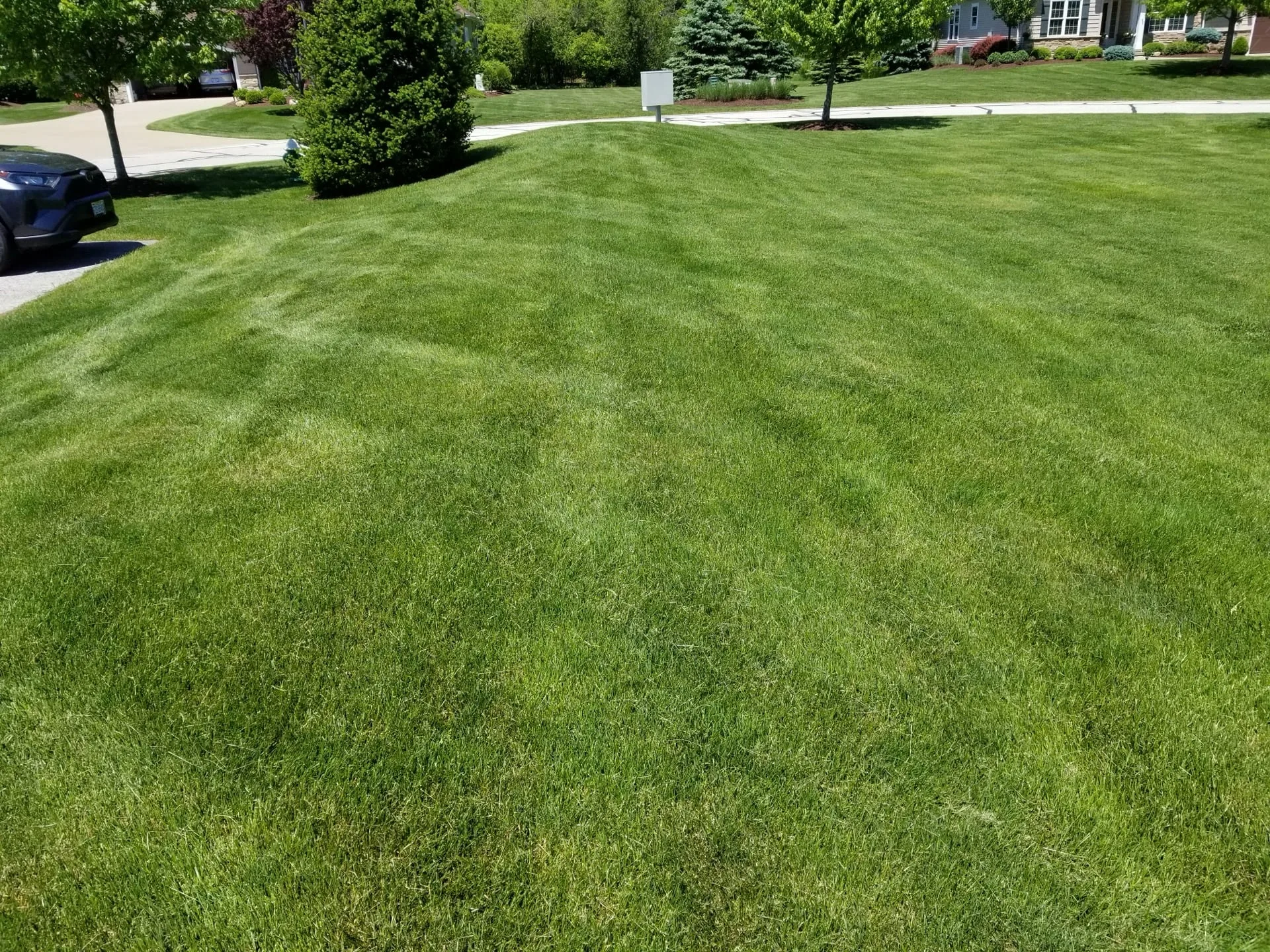
Your lawn can go from pretty decent to tired, thin, and weedy faster than most sales pitches admit. That is why understanding lawn care services matters so much in Northeast Ohio: you do not need every add-on, but you do need the right mix for your grass, soil, weather, and how your property actually gets used.
Lawn care services are the recurring and seasonal jobs that keep turf healthy, usable, and good-looking. In plain English, that means some services keep the yard neat, like mowing and trimming, while others fix what is happening below the surface, like fertilization, weed control, aeration, overseeding, and targeted pest treatments.
Early on, it helps to know what belongs on your list and what does not. Here is what you will learn in this guide:
- What lawn care services usually include
- Which services most Northeast Ohio yards need
- Which add-ons only make sense in certain situations
- How seasonal timing changes everything
- What commercial properties should prioritize
- Which services are often oversold
- How to match lawn symptoms to the right service
- What quality service actually looks like
- How pricing usually works
- A simple plan you can actually use
Lawn care services in northeast ohio: what actually belongs on your list
If you have ever looked out at your yard in late spring and thought, “It looked better two weeks ago,” you are not imagining things. Grass in Northeast Ohio responds fast to weather swings, compacted soil, shade, rain, heat, and plain old foot traffic. One company pushes fertilizer. Another insists on grub control. Another acts like weekly mowing solves everything. It does not.
Here is the direct answer: most properties need a small group of core services, and everything else should be added only when your lawn shows a reason. That is especially true in Northeast Ohio, where cold winters, soggy spring soil, humid summer stretches, and heavy fall leaf drop create a very specific set of lawn problems. A lawn in Cleveland Heights can look full and green in May, then worn down and patchy by late July if the basics are off.
That is the promise of this guide. You can stop treating your yard like a mystery and start seeing which services actually do the heavy lifting.
Start here: what “lawn care services” usually includes
The phrase “lawn care services” gets used loosely, which is part of the problem. Sometimes it means mowing only. Sometimes it means turf treatments. Sometimes it gets bundled with mosquito control or perimeter pest control. If you do not separate those buckets, you can end up comparing quotes that sound similar but cover totally different work.
At the simplest level, lawn care services break into four categories: routine maintenance, lawn health treatments, pest control, and seasonal cleanup. Routine maintenance covers mowing, trimming, edging, and debris blowing. Lawn health treatments include fertilization, weed control, aeration, seeding, and soil-related work. Pest control covers grubs, surface insects, mosquitoes, ticks, and crawling pests around buildings. Seasonal cleanup handles leaves, winter damage, and the transition between growing seasons.
Once you see those categories clearly, the service list stops feeling random.
Basic maintenance vs. lawn health treatments
Basic maintenance makes the property look maintained. Lawn health treatments make the turf stronger, thicker, and better able to resist weeds, drought stress, and wear.
That difference matters more than most people realize. A lawn can be cut neatly every week and still be weak, thin, and full of problems underneath. Mowing is grooming. Fertilization feeds growth. Weed control protects space for grass to spread. Aeration opens compacted soil. Overseeding fills in thin spots. If your lawn looks rough despite regular cutting, the issue usually sits in the health-treatment bucket, not the maintenance bucket.
Think of it like vacuuming versus fixing bad airflow in a house. One keeps things presentable. The other solves why the room feels off in the first place.
Lawn care vs. landscaping
Lawn care and landscaping overlap, but they are not the same thing. Lawn care focuses on turf and yard health. Landscaping leans toward visual upgrades and structural changes, like planting beds, shrubs, mulch, patios, retaining walls, and design work.
That distinction matters when you hire a company. If your main problem is thin grass, dandelions, compaction, or patchy wear, you need lawn care. If your main goal is to reshape the front entry, install new beds, or improve curb appeal with new plantings, that is landscaping territory. Some companies do both, but the work itself is different.
Why northeast ohio changes the service list
Northeast Ohio lawns live through a lot. Winter freeze and snow cover can leave turf matted and stressed by spring. Spring often brings wet ground and fast weed germination. Summer can shift from humid to dry without much warning, which means cool-season grasses struggle just when you want them to look best. Fall adds leaf buildup, which can smother grass and trap moisture if it sits too long.
Soil also plays a big role. Many properties deal with clay-heavy soil, and clay compacts easily. Once that happens, water sits on the surface, roots stay shallow, and fertilizer cannot do as much as it should. Add shade from mature trees, especially in older neighborhoods, and your lawn needs a smarter plan than “cut it and hope.”
The core lawn care services most yards actually need
If your goal is to spend money where it counts, start here. These are the services that solve the biggest problems for most homes and commercial properties in Northeast Ohio. Everything else is secondary until these basics are handled well.
Lawn mowing and trimming
Regular mowing still matters, just not in the simplistic way it gets sold. Grass should be cut often enough that you are removing a manageable amount each visit, not hacking it down after it gets shaggy. Cutting too short, often called scalping, is one of the fastest ways to weaken turf. It stresses the grass, exposes the soil, and gives weeds an easier opening.
Height matters. Cool-season grasses common in Northeast Ohio usually do better when kept a bit taller, especially in summer. Taller blades shade the soil, help roots stay stronger, and reduce moisture loss. Trimming and edging matter too, because neglected edges make even a healthy lawn look sloppy. But neat edges do not make up for bad mowing habits.
A good mowing service supports lawn health. A bad one creates work for every other service.
Fertilization
Fertilization is one of the few services that can change how your lawn looks and recovers in a visible way. Grass needs nutrients to thicken up, hold color, and bounce back from wear. The catch is that timing matters more than simply putting down more product.
Slow-release fertilizer means nutrients become available gradually instead of hitting all at once. That steadier feeding pattern is easier on the lawn and supports more consistent growth. Too much fast growth can sound appealing, but it often creates a lawn that looks good briefly and then struggles, especially in summer heat.
A well-timed fertilizer program helps the lawn grow dense enough to compete with weeds. It also supports recovery after stress, whether that stress comes from foot traffic, heat, or winter damage. Dumping on extra fertilizer is not the answer. A plan matched to the season is.
Weed control
Weed control works best when you stop thinking of it as a one-time fix. Dandelions, clover, plantain, and crabgrass do not take over because your lawn had one bad week. They show up when turf is thin, treatment timing is missed, or mowing and soil conditions leave openings.
Broadleaf weeds are the obvious ones you notice fast. Crabgrass is different, because prevention matters more than cure. Pre-emergent weed control targets weeds before they sprout, which is why timing matters so much in spring. Once crabgrass is established, your options shrink and the lawn often looks rough through summer.
Spot treatment also has a place. Not every weed issue needs blanket treatment. But if weeds keep returning, the real fix is usually broader: healthier turf, better timing, and fewer bare or weak areas.
Aeration
Aeration sounds more complicated than it is. Core aeration pulls small plugs of soil from the lawn so air, water, and nutrients can move into the root zone more easily. If your soil feels hard, puddles after rain, or sits under a lot of foot traffic, aeration is often one of the most useful services you can buy.
Compaction is common in Northeast Ohio. Clay-heavy soil tightens up, especially after wet periods and traffic. Once compacted, roots struggle. Water either runs off or sits on top. Fertilizer has less impact. Grass thins out even if you are doing other things right.
Aeration does not make a dramatic visual change overnight, but it sets up nearly everything else to work better. That is why it belongs on the core list.
Overseeding
Overseeding means spreading grass seed into an existing lawn to fill thin areas and improve turf density. It is one of the best ways to repair wear and recover from summer stress, especially when paired with aeration in fall.
Seed choice matters more than many homeowners realize. A sunny front lawn has different needs than a shaded backyard under mature maples. A yard used heavily by pets or kids needs turf types that handle wear better. Throwing down whatever seed is cheapest usually leads to uneven results and disappointment a season later.
In Northeast Ohio, fall is usually the sweet spot for overseeding because soil is still warm, temperatures are kinder to cool-season grass, and weed pressure tends to ease compared with spring.
Services you may need depending on your yard
Once the core services are covered, the next step is deciding what your specific property actually needs. Some yards need more help because of history, layout, trees, moisture, or heavy use. Others do fine without every extra treatment on the menu.
Grub control
Grubs are the larval stage of certain beetles, and they feed on grassroots. In the right conditions, enough grubs can weaken turf so badly that patches turn brown and lift up easily, almost like loose carpet. Animal digging can also be a clue, because skunks and raccoons love an easy meal.
But not every lawn needs automatic grub treatment every single year. That is the part worth pushing back on. If your property has a history of grub damage, preventive treatment can make sense. If you have no history, no visible signs, and no pattern of recurring damage, a blanket annual application may not be the best use of money.
Visible lawn symptoms should drive the decision, not fear-based upselling.
Fungus and disease treatment
Lawn diseases usually show up when humidity, poor airflow, excess moisture, and mowing stress line up just wrong. You might notice irregular patches, discoloration, or grass that seems to decline despite being watered and fed.
A disease treatment can help when disease is truly the issue. But sometimes the better fix is adjusting habits: mowing higher, watering earlier in the day, improving drainage, or reducing excess fertilizer that pushes soft growth. If the lawn keeps getting diseased, the treatment alone is not enough.
That is the catch with fungus services. Sometimes they are necessary. Sometimes they are just the bandage on a deeper care problem.
Lime and soil balancing
Lime changes soil pH. In simple terms, pH affects how available nutrients are to your grass. If the pH is off, fertilizer may not work as well as it should because the grass cannot access those nutrients efficiently.
The useful part is this: lime is worth doing when a soil test shows the lawn actually needs it. The less useful part is the common habit of recommending it automatically. Soil balancing should be based on evidence, not routine habit. If your lawn grows decently, color is acceptable, and no test points to a pH issue, lime may not belong on this year’s list.
Insect control beyond grubs
Surface-feeding insects and nuisance turf pests can damage grass or make outdoor areas less enjoyable. The severity varies a lot. Some insect activity is minor and temporary. Other infestations can leave visible damage and require targeted treatment.
Practical treatment makes sense when insects are affecting turf quality or how you use the yard. Routine treatment without a visible issue, a site history, or a known seasonal problem is harder to justify. Pest control works best when it is targeted.
Irrigation checks or watering support
Many Northeast Ohio properties do not have full in-ground irrigation, and that is fine. But watering strategy still matters, especially during dry stretches when cool-season grasses start to stress.
That might mean checking sprinkler coverage, adjusting timer settings, looking for broken heads, or simply getting useful watering guidance. A lot of lawn decline blamed on disease or fertilizer problems is really uneven watering. Some areas stay soaked while others stay dry. A quick irrigation check can prevent a lot of confusion.
Pest control services that often get bundled with lawn care
Lawn care and pest control get bundled more often now because outdoor comfort matters almost as much as turf appearance. A healthy lawn is great, but if mosquitoes own the patio or ticks are a worry near the fence line, your yard still does not feel usable.
Mosquito control
Mosquito treatments can make a real difference in yards with shaded areas, shrubs, damp corners, or standing water nearby. If your patio becomes unusable around dusk, this is one of those services that earns its keep quickly.
Treatment usually focuses on areas where mosquitoes rest and breed, not just open turf. That is why a yard can be mowed perfectly and still feel miserable in summer. If you spend time outdoors, mosquito control is more about comfort and use than about lawn health.
Tick control
Tick service is especially useful if your property borders woods, has tall grassy edges, or gets regular pet use. Northeast Ohio has enough wooded corridors, brushy property lines, and deer movement that tick risk is not theoretical.
The practical sign is not always seeing ticks constantly. Sometimes the issue is exposure risk in exactly the places you want to use, like along a back fence, near play areas, or where pets cut through the yard. Trimming vegetation helps, but targeted tick control can add a real layer of protection.
Perimeter pest control
Perimeter pest control targets ants, spiders, and other crawling pests around the home or building exterior. It has value, especially if pests keep showing up indoors after starting outside.
Still, this is not a lawn health service. It belongs in a different category. Bundling it can be convenient, but it should not distract from what your grass actually needs.
Seasonal lawn care: what your yard needs and when
A lot of confusion disappears once you think seasonally. Lawn care is not one long, identical routine. The job changes through the year, and in Northeast Ohio, timing often matters as much as the product or service itself.
Spring lawn care
Spring is when the lawn wakes up, but it is also when people tend to overreact. The urge to throw down every product as soon as the snow is gone is strong. Bad idea.
Spring lawn care usually includes cleanup, inspection for winter damage, the first mow when growth starts, early fertilization, and pre-emergent weed control timed for seasonal conditions. The goal is to guide the lawn into healthy growth, not force it before soil and temperatures are ready. Wet spring soil also means heavy traffic and aggressive work can do more harm than good.
Summer lawn care
Summer is about protection, not pushing growth. That is one of the biggest mindset shifts that helps. Your lawn is under stress from heat, foot traffic, and occasional dry stretches, so mowing height matters more, watering has to be more consistent, and treatments should stay sensible.
This is the season to avoid scalping, keep an eye on pests, and spot-treat weed flare-ups without overloading the lawn. If grass slows down or loses some color, that is not always a crisis. Sometimes it is just summer being summer.
Fall lawn care
Fall is the best repair season for most Northeast Ohio lawns. Full stop. If your yard is thin, patchy, or tired, this is when the biggest improvements usually happen.
Aeration, overseeding, fertilization, and leaf management all matter in fall. Cooler air, still-warm soil, and reduced weed competition create a better setup for root growth and turf thickening. Skip fall work and you often spend the next spring trying to rescue a lawn that could have been strengthened months earlier.
Winter prep
By late fall, active growth is winding down, but preparation still matters. Final mowing, cleanup, and leaf removal help reduce matting and spring mess. Letting heavy debris sit through winter can increase disease pressure and leave the lawn struggling once thaw arrives.
Winter prep is not glamorous, but it helps close the season cleanly. That matters more than it sounds.
Lawn care services for businesses, HOAs, and multi-property sites
Commercial properties need a different lens. You are not just managing grass. You are managing appearance, safety, consistency, and the experience of anybody walking the site.
Routine grounds maintenance
For businesses, HOAs, apartment communities, and multi-site properties, routine maintenance has to be dependable. That means mowing, edging, trimming, debris cleanup, and keeping entrances, sidewalks, and shared spaces looking intentional.
In these settings, inconsistency shows fast. Missed edges by a front sign, clippings left by a walkway, or overgrown turf around curbs make the whole property feel neglected. Appearance standards matter because the grounds influence first impressions before anybody steps inside.
Turf treatments for high-traffic areas
Commercial turf often gets beat up in predictable places: around mail kiosks, along desire paths where people cut corners, near playgrounds, at dog-walk routes, and by entrances. Those areas usually need more than mowing.
Aeration, overseeding, and targeted fertilization help restore density in worn spots. Compaction is often worse on these properties, so a stronger treatment plan makes sense. A nice-looking office park or HOA common area usually depends on this behind-the-scenes work.
Pest control for public-facing spaces
Mosquitoes near a leasing office patio, ticks near walking trails, or ant activity around entryways can quickly become tenant or customer complaints. Pest control matters more when people regularly use the outdoor space.
This is where coordination helps. Grounds care keeps vegetation under control. Exterior pest service addresses the areas where nuisance pests build up. When those pieces work together, the property feels cleaner and easier to use.
Services you can usually skip, delay, or question
Not every service pitched as urgent actually is. This is where a little skepticism saves money.
One-size-fits-all treatment packages
A generic package can be fine if your lawn already fits the average mold. Many do not. Heavy shade, compacted soil, drainage issues, dog wear, tree roots, or past neglect can make a standard package too much in one area and not enough in another.
A yard should get the services its condition calls for, not the fanciest checklist in the brochure.
Excessive fertilization
More fertilizer is not better. Too much can push weak, fast growth, increase disease pressure, and in some cases stress the lawn further. It can also leave you mowing constantly without actually improving turf strength.
A lawn should be fed with a purpose, not treated like a teenager at an all-you-can-eat buffet.
Automatic add-ons with no visible problem
Annual lime, automatic insect treatment, and specialty applications should have a reason behind them. That reason might be a soil test, site history, recurring symptoms, or a clear active issue.
If there is no sign of the problem and no pattern suggesting it is likely, pause before saying yes. Preventive service has a place. Blind routine does not.
Frequent “rescue” services instead of a consistent plan
Emergency service has its place, but repeated rescue visits usually point to a missing foundation. If your lawn needs saving every few weeks, something basic is being missed.
It is like putting air in a leaky tire every weekend instead of patching the hole. You can keep doing it, but you are not actually fixing the problem.
How to tell what your lawn is asking for
Your lawn gives clues. You do not need to become a turf scientist to notice them.
Thin grass, bare spots, and patchy growth
Thin turf usually points to compaction, wear, shade, poor seed density, drought stress, or some mix of all four. Aeration and overseeding are common answers, especially if the lawn feels hard underfoot or gets a lot of traffic.
But location matters. Bare strips by sidewalks may come from heat and salt exposure. Thin areas under trees may need shade-tolerant seed or less competition from roots. Patches where pets run laps may need traffic management as much as treatment.
Yellowing, weak color, or slow growth
If the lawn looks pale or stalled, fertilization may help, but do not stop there. Uneven watering, dull mower blades, soil imbalance, and compaction can all mimic a nutrition problem.
A good diagnosis looks at timing and pattern. Is the whole yard fading, or just sunny sections? Did the issue show up after heavy rain, a heat stretch, or aggressive mowing? Those details narrow the fix.
Weeds taking over
A weed-heavy lawn is usually telling you grass is too weak or sparse to defend its space. Missed pre-emergent timing can contribute, especially with crabgrass. So can mowing too short, because that exposes soil and gives weed seeds light and room.
The answer is rarely “more weed killer forever.” The better answer is usually stronger turf plus smarter weed control timing.
Soft ground, standing water, or runoff
If water sits after rain or runs off instead of soaking in, standard treatments can underperform. Grass roots struggle in soggy areas, disease becomes more likely, and foot traffic causes more damage.
At that point, the issue may be drainage, grading, or soil structure. Lawn care still matters, but it may need backup from site correction.
Chewed grass, lifted sod, or animal digging
When grass looks torn up, rolls back easily, or attracts nighttime digging, inspect for grubs or other pest activity. Sometimes the damage comes from the pests eating roots. Sometimes it comes from animals hunting the pests.
Either way, guessing gets expensive. This is one of those moments when inspection matters more than buying the broadest treatment available.
What good lawn service looks like
Marketing language is cheap. Good service is easier to spot when you know what to look for.
A clear service plan, not vague promises
A useful quote should tell you what services are included, how often visits happen, what timing is expected, and what results are realistic. “Full lawn program” is not enough. Neither is “premium care.”
Clarity matters because similar prices can hide very different scopes of work. One plan may include pre-emergent weed control and fall aeration. Another may not.
Timing that fits northeast ohio conditions
Local timing matters for pre-emergent applications, fertilization windows, seeding success, and fall repair work. A schedule built for another region will miss the mark here.
You want service that responds to actual conditions, not a rigid national calendar. Northeast Ohio springs can stay cold and wet longer than expected. Fall windows can be great, but only if somebody moves when the season says go.
Communication after each visit
Good communication saves hassle. Service notes, treatment summaries, watering instructions, and simple “here is what to watch next” guidance help you understand what happened and what comes next.
That is especially useful when a lawn is improving gradually. You should never feel like mystery product got sprayed and that was the end of the conversation.
Respect for pets, kids, and business operations
This part gets overlooked until it becomes a headache. Clear reentry guidance after treatments, safe handling around pets and play areas, and minimal disruption around storefronts or office entrances matter a lot.
A good provider works around how your property is actually used.
What lawn care services cost in northeast ohio
Prices vary, but a few factors drive most of the difference. Understanding those factors makes quotes easier to compare.
What affects pricing
Lot size is the obvious one, but not the only one. Terrain, tree coverage, access, service frequency, the current condition of the lawn, and whether pest control gets bundled in all influence cost. A flat suburban yard is simpler than a heavily shaded property with slopes, roots, and a fence maze.
Problem lawns also cost more to correct than stable lawns cost to maintain. That is normal. Catching issues earlier is usually cheaper than repairing neglect later.
Recurring maintenance vs. one-time treatments
Weekly or biweekly mowing is a recurring maintenance cost. Seasonal treatment programs, like fertilization and weed control, usually run as a package over multiple visits. Stand-alone services such as aeration, overseeding, grub treatment, or disease control are often priced separately.
That is why one quote can sound low at first glance. It may only cover cutting, not the treatments that keep the grass healthy.
Why the cheapest option often costs more later
Cheap mowing that scalps the lawn, skipped visits during peak growth, or poorly timed weed control can leave you paying again to fix avoidable damage. The same goes for thin service plans that save money upfront but do not solve the real issue.
Saving money is good. Paying twice is not.
Choosing the right lawn care company
Choosing well is less about finding the flashiest company and more about finding one that understands your property and explains the plan clearly.
Ask what is included before you compare prices
Two quotes can sound nearly identical and still cover completely different work. One may include trimming, edging, blowing, seasonal weed prevention, and follow-up visits. Another may not.
Price only means something once you know exactly what the service includes.
Look for local experience with northeast ohio lawns
You want a company that understands local weeds, cool-season grass behavior, clay soil compaction, shade from mature trees, and the short but valuable fall repair window. Those local details are not minor. They shape what works.
Experience with Northeast Ohio lawns usually shows up in scheduling, diagnosis, and practical recommendations, not just in branding.
Check whether lawn care and pest control can be coordinated
If your property also needs mosquito, tick, or perimeter pest service, coordinated scheduling can make life easier. Outdoor comfort and lawn health overlap more than people think, especially around shrubs, shaded edges, and activity zones.
Convenience is not everything, but it does count.
Read reviews for reliability, not just friendliness
A nice crew matters. Reliability matters more. Look for reviews that mention consistent visits, follow-through, communication, and results that improved over time.
The best feedback usually sounds practical, not gushy.
A simple service plan for most northeast ohio properties
After all the detail, the useful question is simple: what should your actual plan look like?
If you want the minimum that still works
For most properties, the strongest baseline is regular mowing and trimming, a fertilization and weed-control program, and fall aeration with overseeding where the lawn is thin or compacted. That combination handles appearance, turf strength, and the most common weed pressure without piling on extras.
If your lawn is mostly stable, that is often enough.
If your lawn has ongoing problems
If you deal with repeated brown patches, animal digging, standing water, weak color, or chronic thinning, add only the targeted services that match the symptoms. That might mean grub control, soil testing, lime based on test results, drainage correction, disease treatment, or watering support.
The trick is matching the service to the problem instead of buying every upgrade at once.
If you manage a commercial property
Commercial sites usually need dependable grounds maintenance, seasonal turf treatments for high-traffic wear, and exterior pest control where people regularly use the space. Consistency matters more here because one rough-looking entrance or complaint-heavy outdoor area can shape the entire property impression.
A good plan keeps the site usable, presentable, and easier to manage week after week.
Your next step: start with the problem you can already see
Do not start with the longest package. Start with the most obvious issue in front of you. If your lawn is thin, focus on aeration and overseeding. If weeds are everywhere, build around weed control and stronger turf. If the yard looks fine but mosquitoes ruin every evening outside, solve that problem first.
That one move changes everything. Instead of buying lawn care services like a bundle of guesses, you start building a plan that actually fits your property in Northeast Ohio.
- Disclaimer: This article is for general informational purposes only. It is not professional advice, a quote, or a service agreement. Conditions at your home or property may differ; contact a qualified professional for an on-site evaluation before making repair, safety, or spending decisions.