
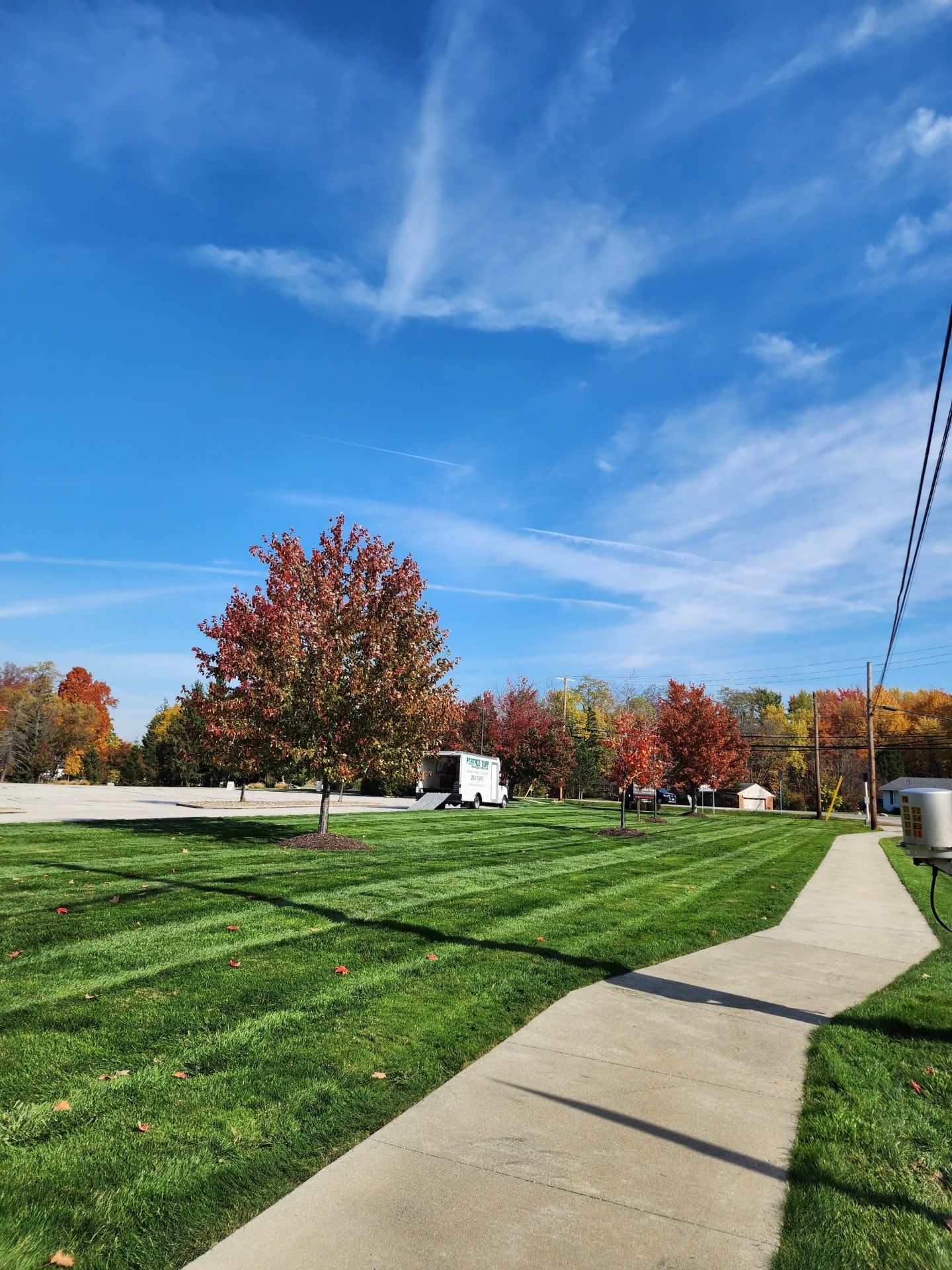
For many Northeast Ohio homeowners, deer can be both a beautiful sight and a landscaping nightmare. While these graceful animals are pleasant to observe, they can cause significant damage to ornamental plants, gardens, and young trees. Understanding effective deer repellent strategies can help you protect your landscape investment while coexisting with local wildlife.
Understanding Deer Behavior
Before implementing deterrent strategies, it’s helpful to understand why deer are attracted to your property:
Food Sources
Deer are browsers that eat a wide variety of plants. They’re particularly attracted to:
- Tender new growth on shrubs and trees
- Flowering plants like hostas, daylilies, and roses
- Vegetables and fruits from home gardens
- Ornamental grasses and groundcovers
Habitat Factors
Deer visit properties that offer:
- Easy access (lack of barriers)
- Protection from predators
- Water sources
- Shelter from weather
- Safe travel corridors between feeding areas
Natural Deterrent Methods
The most effective deer control combines multiple strategies rather than relying on a single solution.
1. Plant Selection
One of the most effective long-term strategies is choosing plants that deer naturally avoid:
Deer-Resistant Shrubs
- Boxwood
- Juniper
- Spirea
- Butterfly Bush
- Barberry (though it can be invasive)
- Lilac
Deer-Resistant Perennials
- Lavender
- Salvia
- Catmint
- Lamb’s Ear
- Yarrow
- Russian Sage
- Daffodils and other spring bulbs (except tulips)
Characteristics Deer Dislike
Deer tend to avoid plants with:
- Strong fragrances (herbs like rosemary, thyme, mint)
- Fuzzy or hairy leaves
- Thorns or prickly textures
- Toxic or bitter-tasting foliage
Important Note: No plant is truly “deer-proof.” Hungry deer, especially during winter or drought, will eat almost anything if food is scarce.
2. Physical Barriers
Fencing remains one of the most reliable deer deterrents:
Height Requirements
Deer can jump remarkably high, so effective fencing should be:
- At least 8 feet tall for a standard fence
- 6 feet tall if angled outward at 45 degrees
- Double-fenced with a 5-foot space between two 4-5 foot fences
Fencing Materials
- Wire mesh or woven wire fencing
- Electric fencing (requires maintenance and monitoring)
- Decorative metal fencing (if tall enough)
- Fishing line strung between posts (less visible option)
Targeted Protection
If full-property fencing isn’t practical, protect individual plants or garden beds with:
- Wire cages around young trees and shrubs
- Netting over vulnerable plants
- Enclosed raised bed gardens
3. Scent-Based Repellents
Deer rely heavily on their sense of smell for safety and finding food. Scent-based deterrents can be effective:
Commercial Repellents
Many commercial deer repellents use:
- Rotten egg solids (sulfur compounds)
- Predator urine (coyote or bobcat)
- Putrescent whole egg solids
- Garlic and pepper oils
Apply these products according to label directions, and reapply after rain or every few weeks during the growing season.
Homemade Solutions
Some homeowners have success with DIY repellents:
- Soap bars hung in trees (Irish Spring is popular)
- Human hair scattered around plants
- Garlic and hot pepper spray
- Blood meal sprinkled around beds
Effectiveness Note: Deer can become accustomed to scents over time, so rotating different repellents or combining methods often works better than using the same product continuously.
4. Motion-Activated Deterrents
Surprise and startle tactics can condition deer to avoid your property:
- Motion-activated sprinklers: These spray water when movement is detected, startling deer without harm
- Noise makers: Wind chimes, radios, or motion-activated sound devices
- Lighting: Motion-sensor lights can deter nocturnal deer activity
Rotate or move these devices periodically to prevent deer from becoming accustomed to them.
5. Landscape Design Strategies
Thoughtful landscape design can make your property less attractive to deer:
Create Barriers with Plantings
- Use deer-resistant plants as a border around more vulnerable species
- Create dense hedges that are difficult to navigate
- Plant thorny or prickly shrubs along property edges
Eliminate Attractants
- Remove fallen fruit promptly
- Don’t leave pet food outdoors
- Limit bird feeders (spilled seed attracts deer)
- Secure garbage and compost bins
Interrupt Travel Patterns
- Install unexpected obstacles in deer paths
- Create level changes with terracing or berms
- Use gravel or noisy ground covers on paths
Timing Your Deterrent Strategy
Spring Protection
Focus protection on:
- New growth on shrubs and trees
- Newly planted gardens and landscapes
- Tender perennials emerging from winter
Summer Maintenance
- Reapply repellents after heavy rain
- Monitor and adjust strategies as needed
- Protect vegetable gardens during peak production
Fall and Winter
- Protect evergreens and young trees vulnerable to winter browsing
- Increase protection as natural food sources decline
- Apply tree wraps or guards to prevent antler rubbing damage
Professional Plant Health Care
At Portage Turf & Pest, our Plant Health Care program can help protect your landscape investment:
Deep Root Injections
We provide targeted nutrient delivery to help plants:
- Recover more quickly from deer damage
- Develop stronger, more vigorous growth
- Better resist stress and pest pressure
Plant Health Evaluations
Our certified specialists assess:
- Damage severity and recovery potential
- Nutritional needs for optimal regrowth
- Disease or pest issues that may have developed from browse wounds
Tailored Treatment Plans
We develop customized programs that:
- Support recovery of damaged plants
- Strengthen plant health to better tolerate browsing
- Address secondary issues that arise from deer damage
Integrated Approach for Best Results
The most successful deer management strategies combine multiple tactics:
- Plant wisely: Emphasize deer-resistant species in vulnerable areas
- Protect strategically: Use barriers for your most valued plants
- Apply repellents consistently: Rotate products and reapply as needed
- Modify habitat: Make your landscape less attractive to deer
- Stay vigilant: Monitor for damage and adjust strategies as needed
Legal and Ethical Considerations
Before implementing deer control measures:
- Check local ordinances regarding fencing height and type
- Verify that chosen methods are legal in your area
- Never use harmful or inhumane deterrents
- Consider neighbors’ views on wildlife management
- Contact local wildlife officials for persistent problems
When to Seek Professional Help
Consider professional assistance if:
- Deer damage is severe or ongoing despite your efforts
- Valuable or mature plants are at risk
- You need guidance on landscape redesign
- Plant health is declining due to repeated browsing
Conclusion
Living with deer in Northeast Ohio requires a balanced approach that protects your landscape while respecting wildlife. By combining thoughtful plant selection, physical barriers, repellents, and good landscape management, you can minimize deer damage and maintain a beautiful, healthy yard.
Remember that consistency is key—deer are creatures of habit, and changing their behavior requires persistent effort over time. No single solution works perfectly in all situations, so be prepared to adapt your strategy based on results and changing conditions.
If deer damage has compromised your landscape’s health, or if you’d like professional guidance on protecting your plants, contact Portage Turf & Pest. Our Plant Health Care specialists can assess damage, recommend protective strategies, and help restore your landscape to its full beauty.