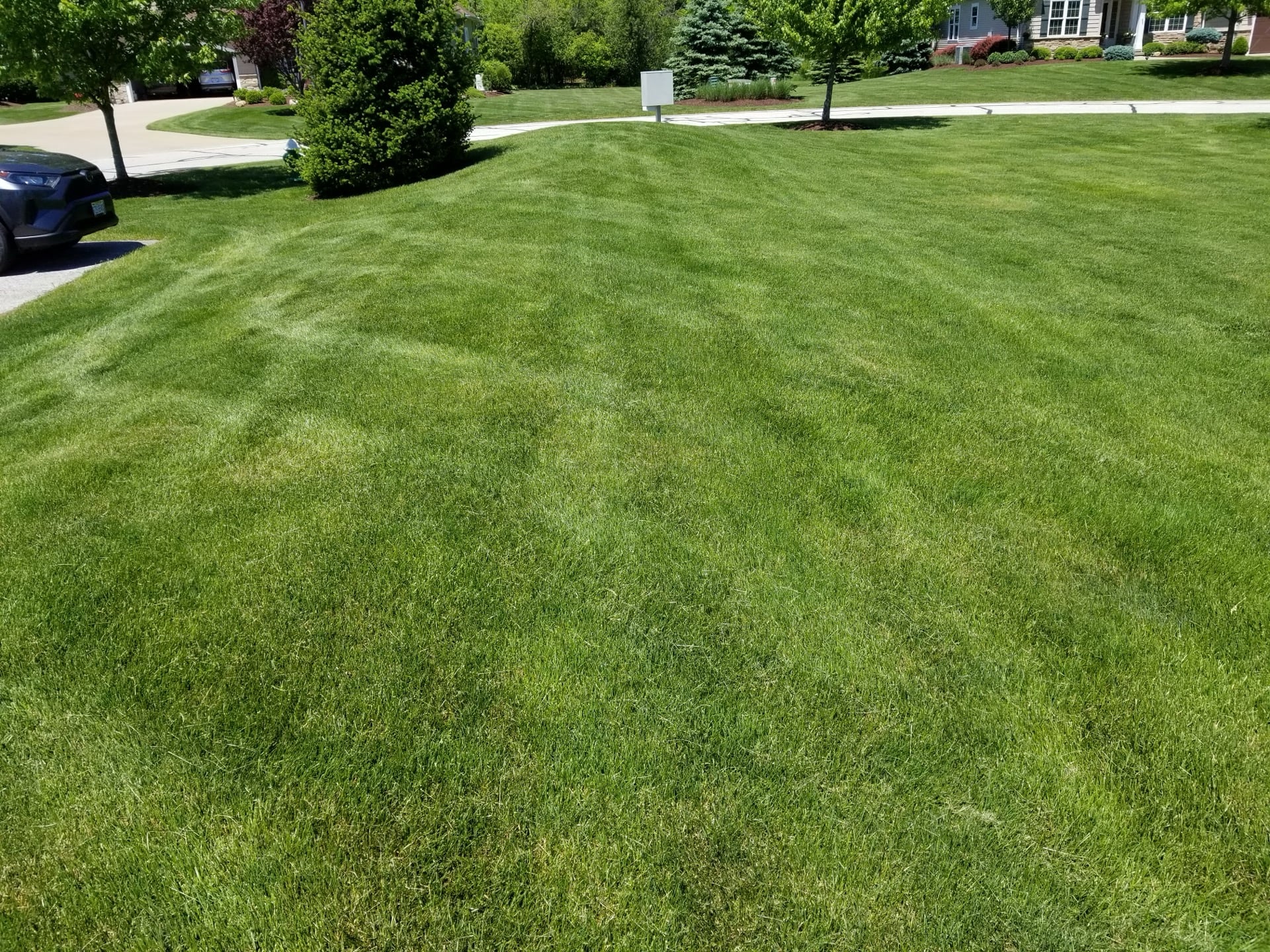
One of the most common mistakes homeowners make in lawn care is cutting their grass too short. While a closely cropped lawn might look neat initially, maintaining the proper mowing height is essential for developing a healthy, resilient lawn that can withstand stress from heat, drought, and pests.
Why Mowing Height Matters
The height at which you cut your grass directly impacts its overall health and appearance. Here’s why proper mowing height is so important:
1. Deeper Root Development
Taller grass blades support deeper, more extensive root systems. A well-developed root system allows your lawn to:
- Access water and nutrients from deeper in the soil
- Better withstand drought conditions
- Resist damage from foot traffic and other stresses
- Compete more effectively against weeds
2. Improved Photosynthesis
Grass blades are essentially solar panels for your lawn. Taller blades provide more surface area for photosynthesis, which means:
- More energy production for growth and repair
- Faster recovery from damage or stress
- Enhanced ability to produce natural sugars and carbohydrates
- Better overall vigor and color
3. Natural Weed Suppression
A lawn maintained at the proper height creates natural shade that inhibits weed seed germination. The dense canopy prevents sunlight from reaching the soil surface, making it difficult for weed seeds to sprout and establish.
4. Moisture Retention
Taller grass provides shade to the soil surface, which:
- Reduces evaporation and water loss
- Helps maintain consistent soil moisture
- Reduces the frequency of watering needed
- Minimizes drought stress
Recommended Mowing Heights
Different grass types have different ideal mowing heights:
Cool-Season Grasses (Common in Northeast Ohio)
- Kentucky Bluegrass: 2.5 to 3.5 inches
- Perennial Ryegrass: 2.5 to 3.5 inches
- Tall Fescue: 3 to 4 inches
- Fine Fescue: 2.5 to 3.5 inches
During the heat of summer, raise your mowing height to the upper end of these ranges to help your lawn cope with stress.
Best Mowing Practices
Beyond height, follow these best practices for optimal results:
The One-Third Rule
Never remove more than one-third of the grass blade in a single mowing. Removing too much at once stresses the plant and can:
- Shock the grass and slow growth
- Create entry points for disease
- Weaken the root system
- Result in a brown, scalped appearance
If your grass has gotten too tall, gradually reduce the height over several mowings rather than cutting it all at once.
Keep Blades Sharp
Sharp mower blades make clean cuts that heal quickly. Dull blades tear the grass, creating:
- Ragged, brown edges that look unsightly
- Entry points for disease and pests
- Increased water loss from damaged tissue
- Overall stress on the plant
Sharpen your mower blades at least twice per season, or more often if you’re mowing frequently.
Vary Your Mowing Pattern
Change your mowing direction each time you mow to:
- Prevent soil compaction in wheel tracks
- Encourage upright growth rather than leaning grass
- Avoid creating ruts or patterns in the lawn
- Ensure a more even cut
Mow When Dry
Whenever possible, mow when the grass is dry. Wet grass:
- Clumps and clogs your mower
- Creates an uneven cut
- Can spread disease
- Makes it difficult to achieve consistent height
Seasonal Adjustments
Adjust your mowing height throughout the season:
Spring
Start at a moderate height (middle of the recommended range) to encourage growth and green-up. As temperatures rise, gradually increase height.
Summer
Raise your mower to the highest recommended setting during hot, dry periods. The extra height helps the lawn cope with heat stress and reduces water needs.
Fall
Maintain height through early fall to help the lawn store energy. For the final mowing of the season, you can drop the height slightly to reduce the risk of snow mold, but don’t scalp the lawn.
Common Mowing Height Mistakes
Avoid these common errors:
- Scalping: Cutting too short, especially on uneven terrain
- Inconsistency: Varying height too much between mowings
- Seasonal neglect: Failing to adjust height for different seasons
- Mowing stressed grass: Cutting drought-stressed or dormant grass too short
Professional Support
At Portage Turf & Pest, we understand that proper lawn care involves much more than just mowing. Our comprehensive lawn care programs complement your mowing efforts by:
- Providing essential nutrients through customized fertilization
- Controlling weeds that compete with grass
- Managing pests that damage roots and blades
- Aerating to reduce compaction and improve root growth
When you combine proper mowing practices with professional lawn care, you create optimal conditions for a thick, healthy, beautiful lawn.
Conclusion
Maintaining the proper mowing height is one of the simplest yet most impactful things you can do for your lawn. By keeping your grass at the recommended height for your grass type and adjusting for seasonal conditions, you’ll develop a more resilient, attractive lawn that requires less water, resists weeds naturally, and stays greener throughout the growing season.
Have questions about the best mowing height for your specific lawn? Contact our team at Portage Turf & Pest for personalized recommendations based on your grass type, soil conditions, and lawn care goals.