
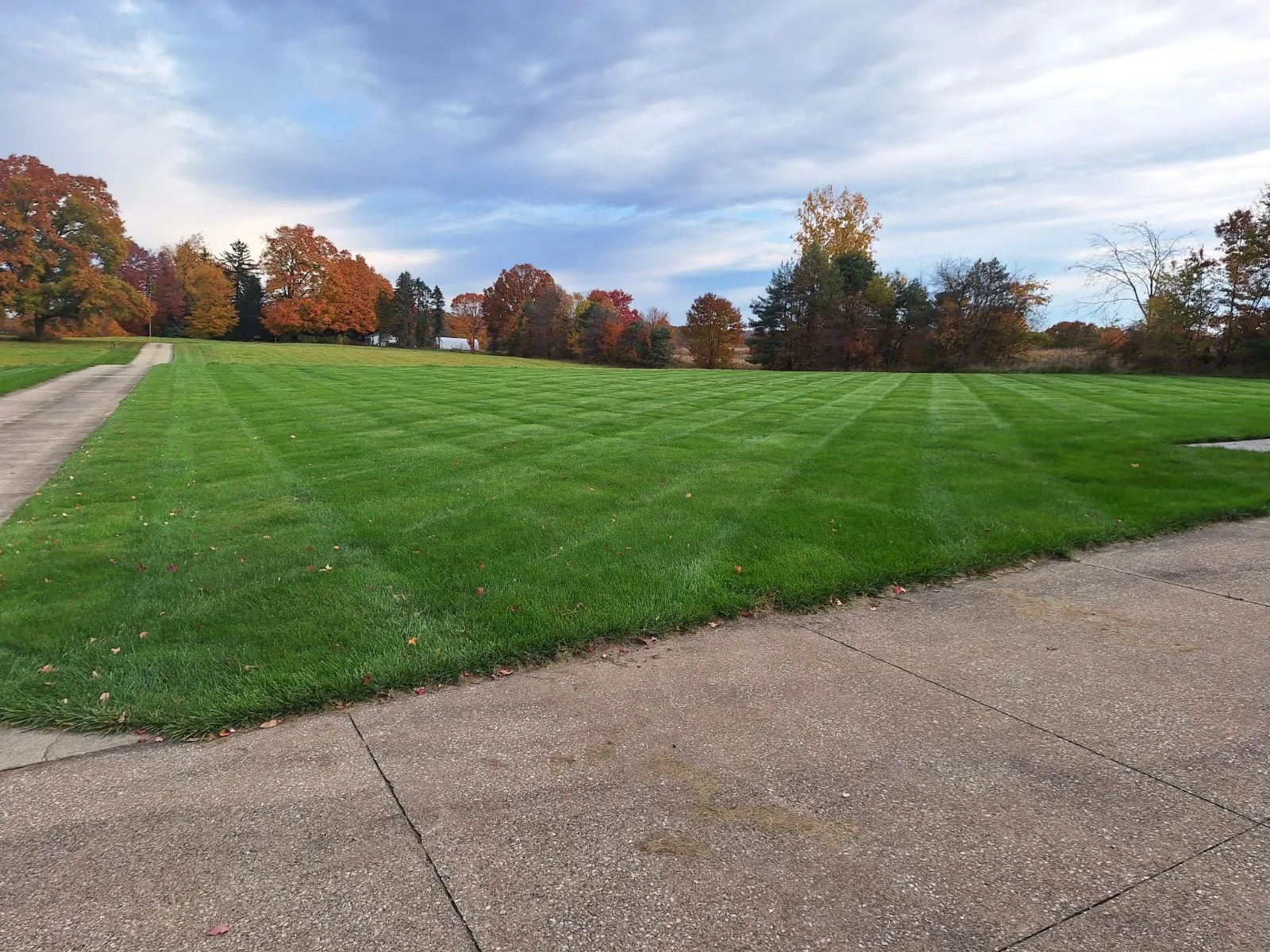
If your lawn feels hard underfoot, puddles after rain, or looks tired no matter how often you mow, timing is probably the issue. When to aerate lawn in Northeast Ohio is not a guessing game, and getting it right can make the difference between grass that limps along and grass that actually fills in.
What you’ll need before you aerate
Before you start, get a few basics lined up so the job goes smoothly. You need a core aerator, either a rental or a scheduled service, plus a hose or sprinkler if the soil is dry. A handful of marking flags helps protect sprinkler heads, shallow lines, invisible dog fences, and any other hidden trouble spots.
You also need a rough idea of your grass type, because timing depends on how your lawn grows. In Northeast Ohio, that usually means cool-season turf, and that points you toward fall. The catch is that weather can shift your window fast here. A wet spring in Akron or an early cool-down near Mentor can move the best timing by a week or two.
Step 1: figure out what kind of grass you have
- Look at your lawn’s growth pattern through the year.
- Notice when it looks best, spring and fall or midsummer.
- Check a seed tag if you still have one from past overseeding.
- Treat the lawn as cool-season unless you have a very unusual mix.
Most lawns in Northeast Ohio are cool-season, usually Kentucky bluegrass, perennial ryegrass, fine fescue, or a blend. Those grasses grow most actively when days cool off but the soil still holds warmth. That is why timing matters so much.
Why cool-season lawns in northeast ohio follow a different schedule
Cool-season lawns recover best when stress is low and growth is active. In places like Cleveland and surrounding suburbs, that sweet spot usually lands in early fall. The air cools down, summer stress eases up, and roots keep growing in warm soil.
That combination is perfect for aeration. Your lawn gets time to heal, spread, and thicken before winter instead of fighting July heat at the same time.
How to tell if your lawn has a mix of grass types
Patchy lawns sometimes make this confusing. Sunny spots may grow differently from shady areas, and older yards often have a mash-up of whatever was seeded over the years.
If most of your lawn greens up hard in spring, slows in summer, and perks back up in fall, treat it like a cool-season lawn. That is the safe call in Northeast Ohio. If one corner behaves differently, do not overthink it. Aerate based on what most of the yard is doing.
Step 2: check whether your lawn actually needs aeration
- Walk across the lawn and notice how firm it feels.
- Watch what happens after a decent rain.
- Check thin or worn spots near walks, patios, or play areas.
- Test the soil before you commit to the job.
Not every lawn needs aeration every year. A healthy yard with loose soil, good drainage, and steady growth may be fine for another season. Aeration helps most when compaction is blocking air, water, and roots.
Look for compaction, puddling, and thin growth
Compacted soil acts like a lid. Water sits on top instead of soaking in, roots stay shallow, and the lawn struggles even when you water and feed it.
Look for puddles that hang around, grass worn thin along sidewalks, and spots where kids, pets, or regular foot traffic keep pressing the soil down. If those areas look weak year after year, compaction is a likely culprit.
Do a quick screwdriver or soil test
Push a screwdriver into the soil after normal moisture, not during a drought and not right after heavy rain. If it slides in with little effort, your soil is probably open enough. If it feels like pushing into packed gravel, aeration is overdue.
A small shovel works too. Cut a shallow slice and check how hard the soil feels below the surface. Success here looks simple: you can get into the ground without a fight.
Check the thatch layer before you decide
Thatch is the layer of dead stems and roots sitting between the green grass and the soil. A little bit is normal. Too much starts acting like a sponge on top of a lid, which is a bad combo.
Pull back a small section and measure it by eye. If the layer looks thicker than about half an inch, core aeration can help break the cycle and improve contact with the soil below.
Step 3: pick the best time of year to aerate your lawn
- Aim for early fall if possible.
- Use spring only if you missed fall or have severe compaction.
- Skip summer heat, frozen ground, and muddy conditions.
Here is the direct answer: the best time to aerate lawn in Northeast Ohio is early fall.
Best overall timing: early fall
Late August through early October is usually the sweet spot. Your grass is actively growing, daytime heat has backed off, and the soil is still warm enough to support recovery.
That timing also pairs perfectly with overseeding. Holes are open, seed gets better contact, and your lawn has time to fill in before winter sets up shop.
Second-best timing: spring, if you missed fall
Spring can work, especially if your lawn came through winter looking beat up or the soil is badly compacted. Try to aerate when the ground is workable and the grass is actively growing, but before summer stress kicks in.
The catch is weeds. Opening the soil in spring can create a nice setup for weed pressure if timing and follow-up care are sloppy. Fall is cleaner and usually gives better results.
When not to aerate
Do not aerate during hot summer stretches, drought, frozen ground, or soggy mud. Dry soil makes the machine bounce and pull poor plugs. Muddy soil leaves ruts and tears up turf.
A simple rule helps here: if the ground feels like concrete or soup, wait.
Step 4: water and prep the lawn the right way
- Water the day before if rain has been light.
- Flag anything hidden that a machine could hit.
- Mow a little shorter before the job.
Prep matters more than most people expect. Good moisture and a clear lawn help the aerator do real work instead of just making noise.
Water one day before aerating
Slightly moist soil is the goal. Think of a brownie that has set, not batter and not a brick. If you had a steady September rain the day before, you may not need to water at all.
Test it with a screwdriver. If it goes in without much force and the ground is not squishy, you are in good shape.
Mark sprinkler heads, shallow lines, and hidden obstacles
Use flags or bright markers to show sprinkler heads, valve boxes, shallow cable lines, invisible dog fences, stump areas, and landscape edges. A core aerator is heavy and not forgiving.
Five minutes of marking can save a repair bill and a very bad afternoon.
Mow the lawn before the service or rental day
Mow your grass a bit shorter than usual, not scalped, just tidy. Shorter grass makes plugs easier to see and helps them settle back into the lawn more evenly.
It also makes the whole process cleaner around beds, fences, and edges where visibility matters.
Step 5: choose the right aeration method
- Pick core aeration for real compaction relief.
- Use spike tools only for very limited surface poking.
- Decide between rental and service based on yard size and effort.
- Match frequency to soil and traffic.
Core aeration is the right call for compacted Northeast Ohio lawns. Full stop.
Core aeration vs. spike aeration
Core aeration pulls small plugs of soil out of the ground. Spike aeration simply punches holes by forcing soil sideways.
That difference matters. Core aeration creates real space for air, water, and roots. Spike tools can actually make dense soil tighter around the hole, especially in clay-heavy yards.
DIY rental vs. hiring a lawn care service
A rental machine can work if your yard is modest and fairly flat. But these machines are heavy, awkward on slopes, and honestly a bit like wrestling a stubborn shopping cart full of bricks.
Hiring a service makes more sense for larger properties, heavily compacted lawns, or yards with lots of obstacles. You get the result without spending half a day loading, unloading, and muscling equipment around.
How often to aerate based on traffic and soil
Clay-heavy soil, pet runs, play areas, and lawns with regular foot traffic often benefit from annual aeration. Lawns with lighter soil and less pressure may only need it every two or three years.
Newer lawns can compact faster than expected, especially after construction. If the yard keeps feeling hard, do not assume age means it is fine.
Step 6: aerate in a simple, effective pattern
- Make straight passes across the lawn.
- Overlap slightly so you do not miss strips.
- Double back only where compaction is worst.
- Leave the plugs where they fall.
The goal is even coverage, not perfect geometry.
Make one full pass across the lawn
Work in rows across the yard, the same way you would mow. Keep your passes straight and overlap slightly so you do not leave untouched lanes.
At the end of one full pass, your lawn should show visible plugs spaced across the surface. That is your checkpoint that the machine is actually pulling cores, not just skimming.
Make a second pass in a different direction if needed
If the soil is especially compacted, a second pass in a cross-pattern helps. Focus on high-traffic areas near sidewalks, patios, and driveways, where the soil usually takes the most abuse.
Do not force a second pass everywhere if the first one already pulled good plugs and the lawn is in decent shape.
Leave the soil plugs on the lawn
Those little cores look messy at first, but leave them alone. They break down quickly, return soil to the surface, and help smooth everything out naturally.
After a few mowings, most of the mess disappears.
Step 7: follow up right away for the best results
- Overseed if the lawn is thin.
- Fertilize for the season.
- Water enough to support recovery.
Aeration opens the door. Follow-up care decides whether anything useful walks through it.
Overseed while the holes are open
If your lawn has thin patches or summer damage, overseed right after aeration. Seed drops into the holes and gets much better soil contact than it would on a sealed, compacted surface.
That simple timing change can make a thin lawn look a lot fuller by the time cooler weather settles in.
Fertilize at the right time
Fall feeding pairs especially well with aeration because nutrients move deeper into the root zone. Keep it simple and use a fertilizer timed for fall lawn growth.
You do not need to turn this into a chemistry project. Aerate, seed if needed, feed appropriately, and keep moving.
Water after aeration and seeding
Water enough to keep the lawn consistently moist, especially if you overseeded. The goal is steady moisture, not puddles.
If the surface dries out completely during germination, new seed can stall fast. Light, regular watering usually works better than soaking the lawn into mush.
Common mistakes that can ruin the timing or results
Aerating at the wrong time for your grass
A random free weekend is not always the right weekend. If you aerate outside your lawn’s active growth period, recovery slows down and the benefit drops with it.
Using a spike tool instead of a core aerator
Spike tools look productive, but looks are not the point. If your soil is compacted, punching holes without removing soil often does very little and can make dense areas tighter.
Aerating bone-dry or muddy soil
Dry ground resists the machine. Muddy ground gets chewed up. Aim for slightly moist soil and you will get cleaner plugs, less mess, and better results.
Troubleshooting: what to do if your lawn still looks rough afterward
If the lawn looks messy for a week or two
That is normal. Plugs on the surface and a slightly rough look are part of the process. Keep mowing as needed, and the cores will break apart and settle back in.
If you do not see better growth
Aeration cannot fix every lawn problem. If growth still stalls, check for poor seed contact, weak fertility, drainage issues, disease pressure, or heavy shade. Sometimes compaction was only part of the story.
If your yard has pests, grubs, or major bare spots
If the same spots keep thinning out every year, pests or damage may be the bigger issue. Grubs, surface-feeding insects, or severe bare patches need attention before more aeration will make much difference.
What results to expect and what to try next
When timing is right, you should notice better water absorption, less runoff, and thicker growth over the following weeks. Your lawn will not transform overnight, but it should start acting less like packed dirt and more like living turf.
Try one simple thing this week: walk to the most worn-out part of your yard and push a screwdriver into the soil. That one small check usually tells you exactly whether aeration belongs on your fall lawn list.
- Disclaimer: This article is for general informational purposes only. It is not professional advice, a quote, or a service agreement. Conditions at your home or property may differ; contact a qualified professional for an on-site evaluation before making repair, safety, or spending decisions.