
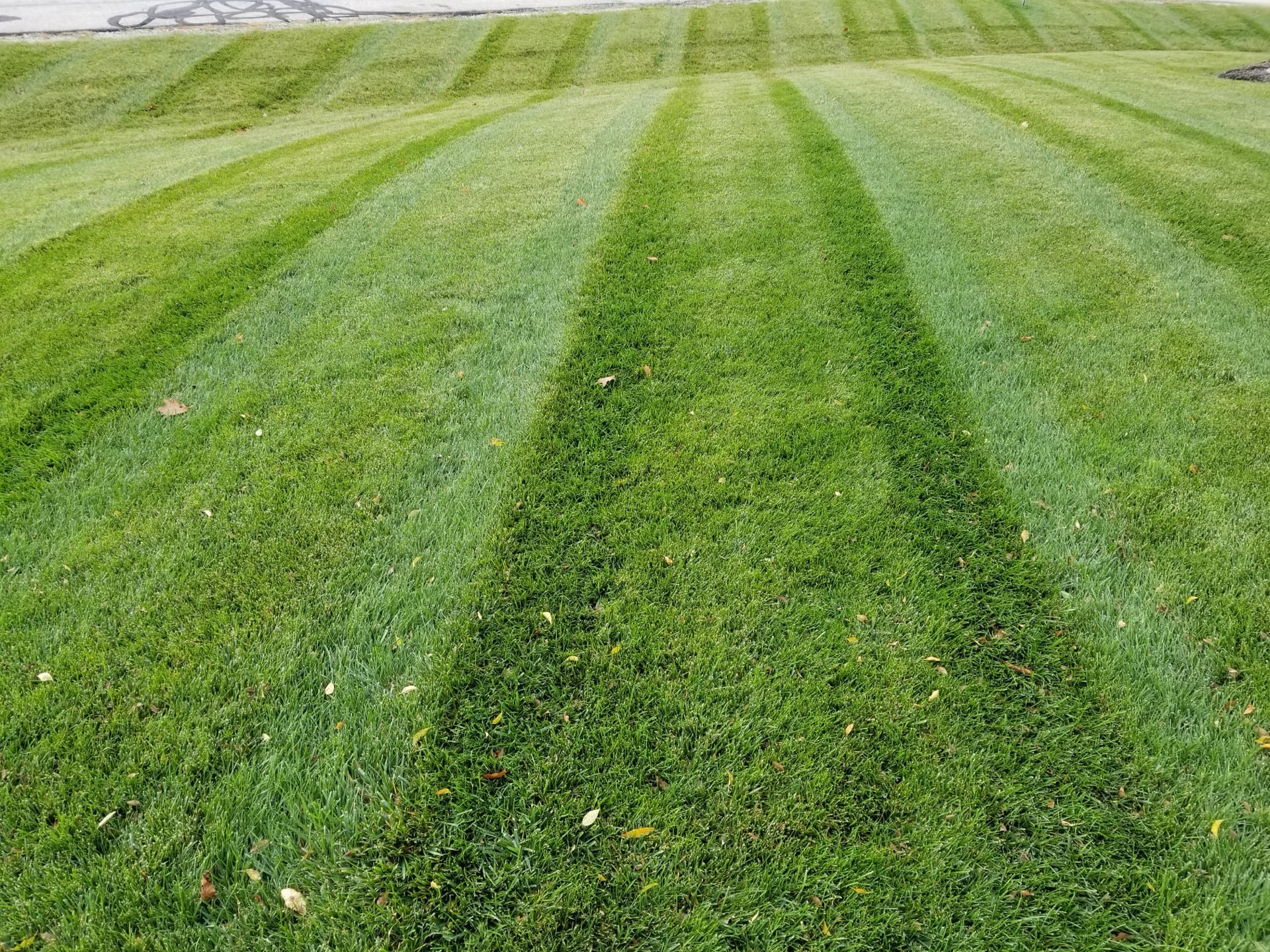
The mail carrier, the dog, and the shortcut to the garbage cans all use the same twelve feet of grass. By late winter you can see it from the kitchen window. The strip looks yellow, packed down, or bare. That is not a mystery disease. It is repeated bending and pounding on the same plants. Fixing it takes two ideas at once: give the grass a break when you can, and rebuild thickness when the season allows.
Why Traffic Strips Look Different
Grass blades bend and rebound when traffic is light. When the same route runs fifty times a week, crowns stay flat, soil particles squeeze together, and roots get less air. Cool season lawns common around Chagrin Falls and Green recover well if you relieve pressure and add new plants at the right time.
Freeze and thaw in our winters also nudge soil under a path, so the same strip can look a little worse each spring even if traffic never changed. Fixing it once the ground firms up beats hoping it will bounce back on its own.
Sun makes it worse on south facing slopes. Shade makes it worse under maples where roots compete for water. Either way, the fix starts with honest routing, not only with seed from a big box store.
Change the Route Without a Family Fight
You do not need a lecture at dinner. Small nudges work.
- Add a stepping stone or two where the path is worst so feet skip the crown of the grass
- Open a gate so another yard path spreads wear
- Move the hose reel or trash day staging off the thin line for one season
- Rotate play equipment so one corner is not always the launch zone
If a stone path is ugly to you, use flat natural steppers sunk level with the soil so the mower can pass. The goal is fewer footsteps on the exact same crowns.
Soil Contact and Seed
Bare soil needs seed pressed into real contact, not sitting on dust. Rake out dead thatch lightly so you see soil, spread a starter blend suited to our region, and roll or step it in. Water in short, frequent visits so the top half inch stays damp until you see seedlings. Our seeding service handles timing, rates, and follow up if you prefer not to guess.
If the ground feels like concrete, aeration before overseeding helps water and roots move through the strip. Skipping that step on a packed path often wastes seed.
Feeding and Mowing Along the Wear Line
Traffic strips still need food. A soil test and boosters plan stops you from throwing fertilizer at a problem that is really compaction or shade. When the strip greens up, mow high enough that blades stay strong. Short cuts on a worn path scalp crowns and slow recovery. Review height tips on proper mowing and more.
When Pets Are Part of the Pattern
Dogs love routines. Dilution with water right after a bathroom break helps spots, but a true path is mostly wear and urine load together. Rinse when you can, widen the walk slightly with mulch or stone, and overseed when weather allows. For more on lawn spots tied to pets, read dog spots on your lawn.
If the Strip Is Under Trees
Thin grass under a low branch line may need a shade tolerant seed mix and a realistic expectation. You might keep a modest mulch bed instead of fighting deep shade. That is not giving up. It is matching the plant to the light you really have.
Bring Help When the Line Keeps Coming Back
If you overseed every spring and the path still looks like a sidewalk by July, ask for a program view. Compaction, grubs, or soil acidity problems can hide under simple wear stories. A structured lawn care program lines up visits with local weather instead of single panic spreads.
Honest expectations help too. A path that sees fifty crossings a week may always look a little lighter than the rest of the lawn. The win is firm turf, even color from a few feet back, and no bare soil showing through.
We work across communities listed on our service areas page, including Brunswick and Hudson. Read why choose us for how we approach naturally better solutions, then contact Portage Turf & Pest when you want a quote.
Quick Summary
- Spread wear with stones, gates, or small route changes
- Overseed with good soil contact and steady moisture
- Aerate when the ground is brick hard
- Test soil before heavy feeding
- Mow high on recovery strips
- Adjust expectations in deep shade or add mulch beds
For fall timing on leaves and traffic together, fall leaf management pairs well with this project.