
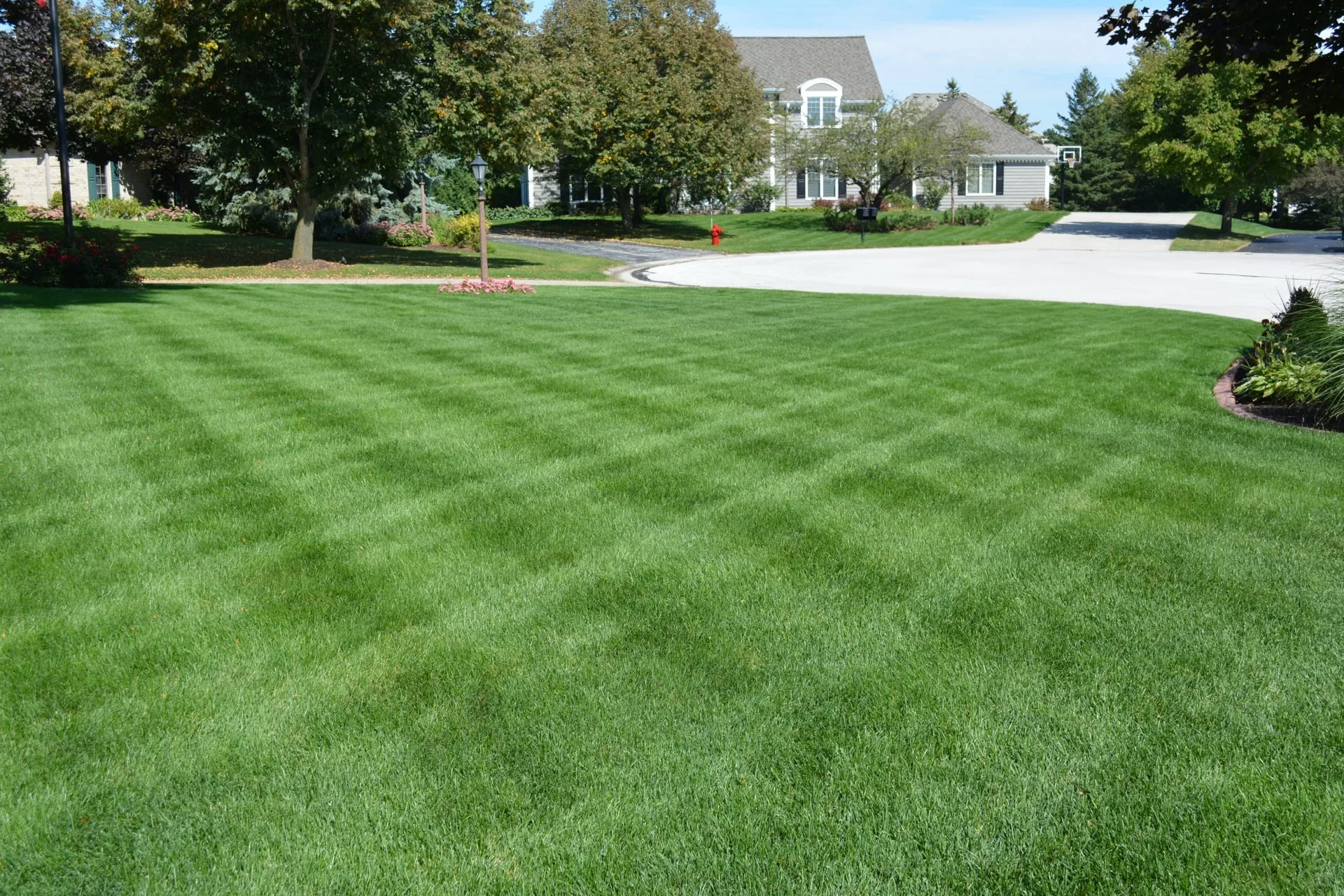
Sustained warm afternoons change how cool season turf along fences and wood lines reads insect pressure before peak traffic arrives. You mow the open lawn in Ravenna or Hudson and the center still stripes clean, yet the band beside the chain link looks pale, spongy, or nibbled in a way that was quieter when nights still cooled soil quickly. Dogs already cut corners to the trampoline while graduation calendars stack guests on the same gate path. Insects that waited in fence corridors now feed at full stride on tissue that foot traffic will compress again in two weeks. None of that is mysterious neglect on first read. It is edge biology meeting calendar pressure on lake effect clay.
Portage Turf & Pest helps homeowners read that overlap honestly through lawn care and pest control programs without brochure panic. This narrative focuses on fence lines and lawn insects before peak traffic, not on the mid spring mole frame in our Northeast Ohio fence lines, mole runs, and lawn insects article or the tunneling story in May Northeast Ohio fence lines and mole runs.
Insects concentrate where mowers and sun disagree
Tall grass, shade, and splash from downspouts create a cooler microclimate along fences, sheds, and wood lines. Mowers often miss the last six inches, so billbugs, grubs, and surface feeders find tissue open lawns resist. Walk the boundary once after a warm rain and note whether damage tracks shade, splash, or a dog path that never dries.
Compare problem strips only to zones on your lot that get similar light. If the thin lane follows the fence where trimming stopped after spring growth, cultural cleanup belongs before you assume a new bag from the store fixes color. Photograph the fence line in morning light and again after a busy afternoon when insects and heat stress both show.
Grubs and billbugs read differently on fence corridors
European chafer and Japanese beetle grubs often announce themselves as spongy turf that lifts like carpet beside a wood line, not as a single brown circle in the open yard. Billbug damage can mimic drought on sunny gate strips where traffic already thinned the canopy. If irrigation did not change but a ribbon along the patio lightened, note whether blades pull free at the crown.
Share that detail when you explore grub control and fertilization so feeding plans respect what roots can actually use on wet clay. Our late May lawn insect pressure on lake effect soils article walks honest reads before you flood every yellow strip along a fence.
If birds, skunks, or raccoons dig in the same ribbon, pair surface observations with grub conversations. Predators follow food. Treating predators alone while grubs remain can feel like a season long loop along the same boundary.
Mole activity still belongs in a separate sentence
Fresh mole ridges beside a fence do not automatically mean the same diagnosis as billbug injury on open turf. Collapsing spots when you step near a bed line suggest tunneling under roots cool season grass needs for summer recovery. Our mole and vole management focuses on species and patterns rather than one label for every mound.
Walk the lot once with a garden hose marked at ten foot intervals so you can describe where ridges start and stop when you call. Fresh mounds after rain usually mean activity continues. Sun baked ridges may be history you are still staring at while insects feed on live crowns nearby.
Peak traffic will compress lanes insects already stressed
School wind down and sports schedules stack sneakers and stroller wheels on gate paths that insects already thinned. Hold aggressive games on spongy fence corners until soil firms. Fix worn traffic paths in your lawn is the repair reference when wear shows faster than tunneling.
Pair traffic reads with school wind down foot traffic on clay lawns when compression and insect stress share the same corner. Traffic explains wear. Insect programs explain spongy crowns that lift when roots are already compromised.
Perimeter comfort runs parallel to turf insects
Mosquitoes and ticks use tall fence grass and leaf litter as staging areas while grubs work below the same band. Cultural cuts along boundaries still help. Professional treatment supports corners kids actually cross toward the patio. Read mosquito and tick programs alongside edge cleanup, and say how you use the yard when you call.
Our tick smart yard edges article walks the honest perimeter read when biting pressure matters as much as turf color. Perimeter insects and soil insects belong in one plan, not in competing panic products applied the same weekend.
Irrigation overlap can mimic insect stress on fence toes
Lake effect clay holds water in low corners while open panels dry faster than downspout paths suggest. Pale grass in bowls may lighten from roots sitting in water, not from billbugs. Irrigation controller reads before heat season helps when controllers still run cool weather minutes on fence zones that now bake all afternoon.
Tell us where water sits when you call so fertilization visits align with realistic moisture. Feeding push on saturated roots along a north facing fence often creates more pale strips than a skip day and a higher deck would have.
Mowing and edge habits that reduce insect habitat
Taller cool season canopies shade soil on open lawn, but fence lines still need a clean edge for air movement. Alternate mowing directions when you can so tires are not wearing the same wet lane near the gate. Sharp blades matter as much as timing. Torn tips along boundaries look like disease from the street.
When growth still outpaces your calendar, return to May early moisture and mow signals for cadence. Our proper mowing height article explains why scalping hot, wet soil compacts the profile insects already prefer.
String trimming along fences is not cosmetic when ticks and mosquitoes use uncut grass as highways. Trim after dew dries when you can, and bag heavy clippings if they mat against boards. That pass costs ten minutes and often calms edge color faster than another feeding on stressed crowns.
Aeration when compaction blocks recovery on fence lanes
If a screwdriver stops hard an inch down along a fence path after ordinary rain, compaction may join insect stress on the honest map. Core aeration belongs in the conversation when clay along the fence never breathes. See soil compaction and core aeration for timing that respects moisture, not frustration seeding on mud.
Aeration opens channels. It does not replace grub monitoring when spongy turf lifts like carpet. Stack services in an order that respects clay instead of chasing labels that do not match the ground underfoot.
Fertility only after you know what the edge needs
Pale fence strips on firm ground that get half day sun may need nutrition timed to Northeast Ohio growth. Spring guide to lawn fertilization explains how we pace products when roots are ready. Feeding grass that cannot take traffic yet is a different plan than feeding grass that simply needs less water along a soggy wood line.
If you prefer fewer traditional inputs, read organic based lawn care alongside conventional lawn care programs so expectations match how wet your lot runs. Mention low spots that puddle when you ask about soil test and boosters.
Pulling fence, insect, and traffic stories into one plan
Read boundaries honestly before peak traffic: trim for air movement along fences, confirm grubs when predators dig, separate moisture from insect stress with dated photos, and hold aggressive play on spongy corners until soil firms. Use areas to confirm we serve your town, and explore services in an order that respects clay.
When several signals persist past one rainy week, contact Portage Turf and Pest with your town, mower height guess, and whether fence lanes still puddle after sunny days. We help homeowners in Ravenna, Kent, Stow, and nearby communities keep early summer calmer by reading insects and edges honestly instead of waiting for peak traffic to expose every weak crown at once.
Surface feeders and billbugs on fence toes in full sun
Fence corners that catch afternoon sun often show billbug injury before the shaded middle admits stress. Blades pull free at the crown while roots still look intact from the surface. That pattern differs from grub lift that feels spongy underfoot across a wider band. Photograph the crown pull test on firm ground after a dry afternoon so visits start with evidence instead of a color guess from the street.
Our what are chinch bugs and damage to look for article helps when surface feeders confuse drought reads on sunny gate strips, even though cool season turf dominates most Portage County lots. Separate surface stories from root feeders before you change irrigation for the entire yard.
Organic programs and conventional timing on fence corridors
If you prefer fewer traditional inputs, read organic based lawn care alongside pest control programs so expectations match how wet fence lines run on lake effect clay. Organic routes still need honest insect reads when spongy turf lifts beside a wood line. Mention program type when you call so visits respect label realities on stressed crowns.
Conventional fertilization on firm fence strips that get half day sun may still belong when roots are ready and insects are ruled out. Feeding grass that cannot take traffic yet wastes product and invites weed competition on the same band guests will cross.
Evening walks beat lunchtime guesses at the wood line
Grass can look fine at noon while fence grass stays wet at dusk. One slow walk along the boundary after dinner tells you more than three photos of a single blade. Note predator digs, ant hills, and where dogs always pause. Bring those notes to your visit so mole, grub, and perimeter conversations stay in the right order for Northeast Ohio fence lines before peak traffic compresses the same lanes again.
Compare edge photos with summer lawn priority quiz results when several signals fired in the same week. The quiz sorts pressure points. This narrative explains why fence corridors deserve attention before graduation traffic and daily dog paths stack on tissue insects already stressed.