
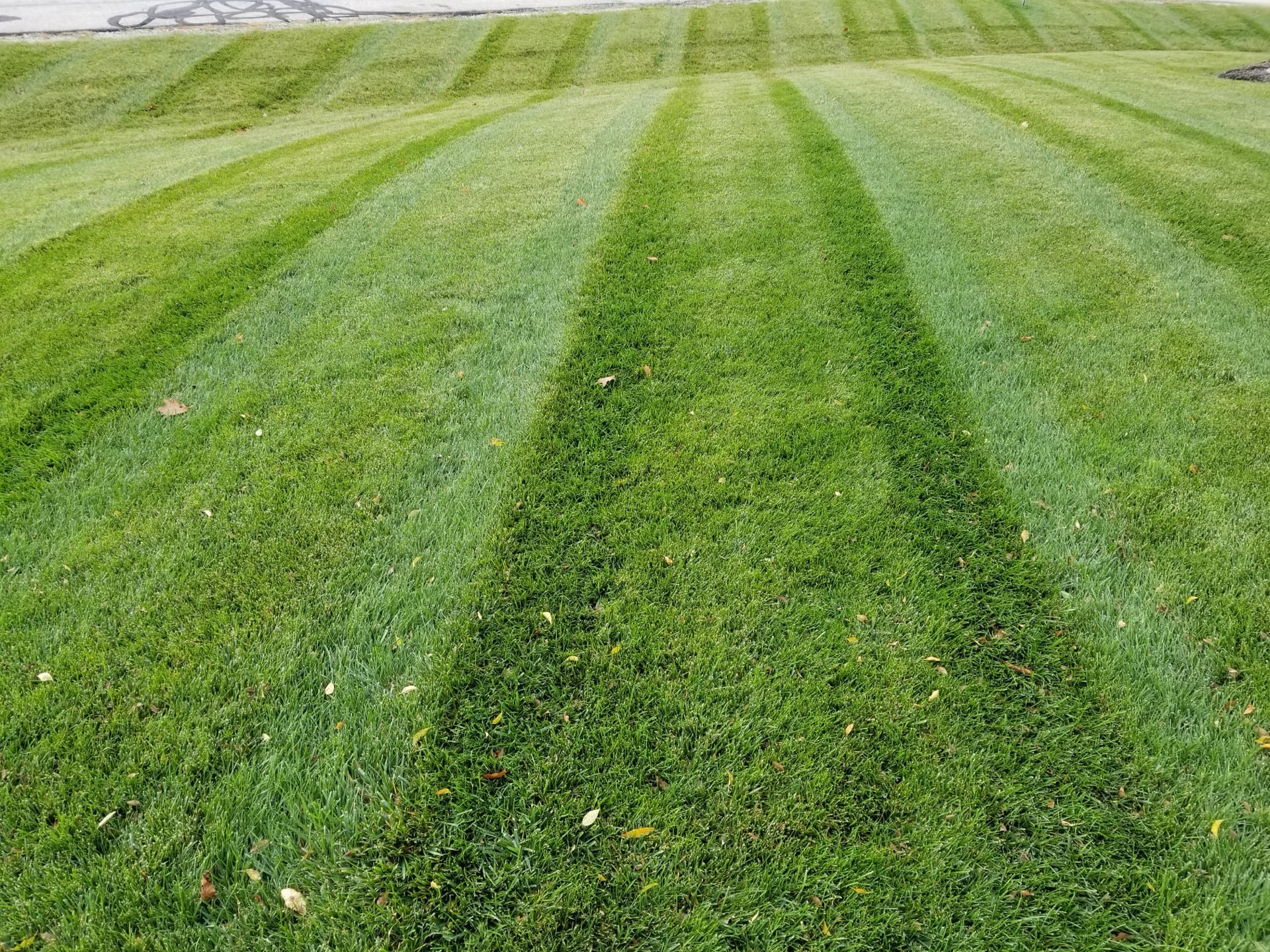
Spring is when most homeowners think about fertilizer, but a strong lawn in Hudson, Kent, and Cuyahoga Falls is really the product of how the whole year fits together. This guide explains how we think about lawn fertilization as a program, not a single bag spread in March, and how spring work supports what you need later for weeds, stress, and recovery.
What “fertilization program” means here
On our services page, we describe custom-blended applications timed for your lawn’s needs. In practice that means we account for soil conditions, grass types common in Northeast Ohio, sun and shade, and how your family uses the yard. Weed control is part of that picture for most properties, because thick, well-fed turf and targeted weed management work together instead of fighting each other.
If you prefer fewer traditional inputs, organic-based lawn care is available for homeowners who want that balance. The spring concepts below still apply: timing, plant readiness, and avoiding work on the wrong ground.
Spring: wake-up without forcing growth
After winter, we focus on clearing debris and letting the lawn show real growth before pushing heavy nutrition, as in our spring lawn cleanup checklist. Early applications, when they are appropriate, support root recovery and color without encouraging weak, succulent growth that summer heat will punish.
This is also when soil chemistry checks pay off. Soil test and boosters help decide whether lime, sulfur, or other adjustments belong in the first half of the season. Guessing pH from lawn color alone often wastes money.
Late spring and early summer: density and weed pressure
As temperatures rise, grass uses more nutrient and weed competition intensifies. Program visits in this window aim to keep growth steady and address broadleaf and grassy weeds while they are vulnerable to control. If you are seeing thin areas from traffic or pets, overlap this phase with planning for seeding or overseeding; sometimes aeration is scheduled around the same general period depending on moisture and compaction.
For pest pressure at the yard edge, mosquito and tick programs are a separate line of service but pair well with turf care when your goal is usable outdoor space. Tick-smart yard edges covers cultural steps that support any spray schedule.
Mid- to late summer: stress management
Cool-season lawns in Strongsville, Stow, and Fairlawn can go semi-dormant in heat. Summer visits adjust rate and product choice so we are not pushing growth during the worst stress. Watering habits matter here; how to water your lawn is the companion piece homeowners use most when nights stay warm.
Where grub history or monitoring suggests risk, preventative timing is planned in the window that matches insect life cycles in Ohio, not whenever brown patches appear. Waiting for obvious damage often means more repair work in fall.
Fall: recovery and foundation for next spring
Fall remains the primary season for recovery, root building, and in many cases overseeding. Nutrient applied as growth shifts downward helps storage and winter hardiness. If spring is your favorite time to work on the lawn, fall is usually what makes that spring easier. We tie leaf and traffic management to turf health in fall leaf management and fix worn traffic paths for homeowners juggling shade trees and kids or pets.
How to get started this spring
- Note your priorities: color and weeds, thin spots, pests, or a mix.
- Gather any recent soil data or plan a test if it has been several years.
- Hold heavy work until the lawn is firm enough and growing steadily after winter.
- Request a program quote so visits are spaced for our climate, not a national generic schedule.
When you are ready for a plan built around your property in Ravenna and surrounding areas, contact Portage Turf & Pest or call (330) 296-8873. For the bigger picture on how we work, read why choose us and our service areas.