
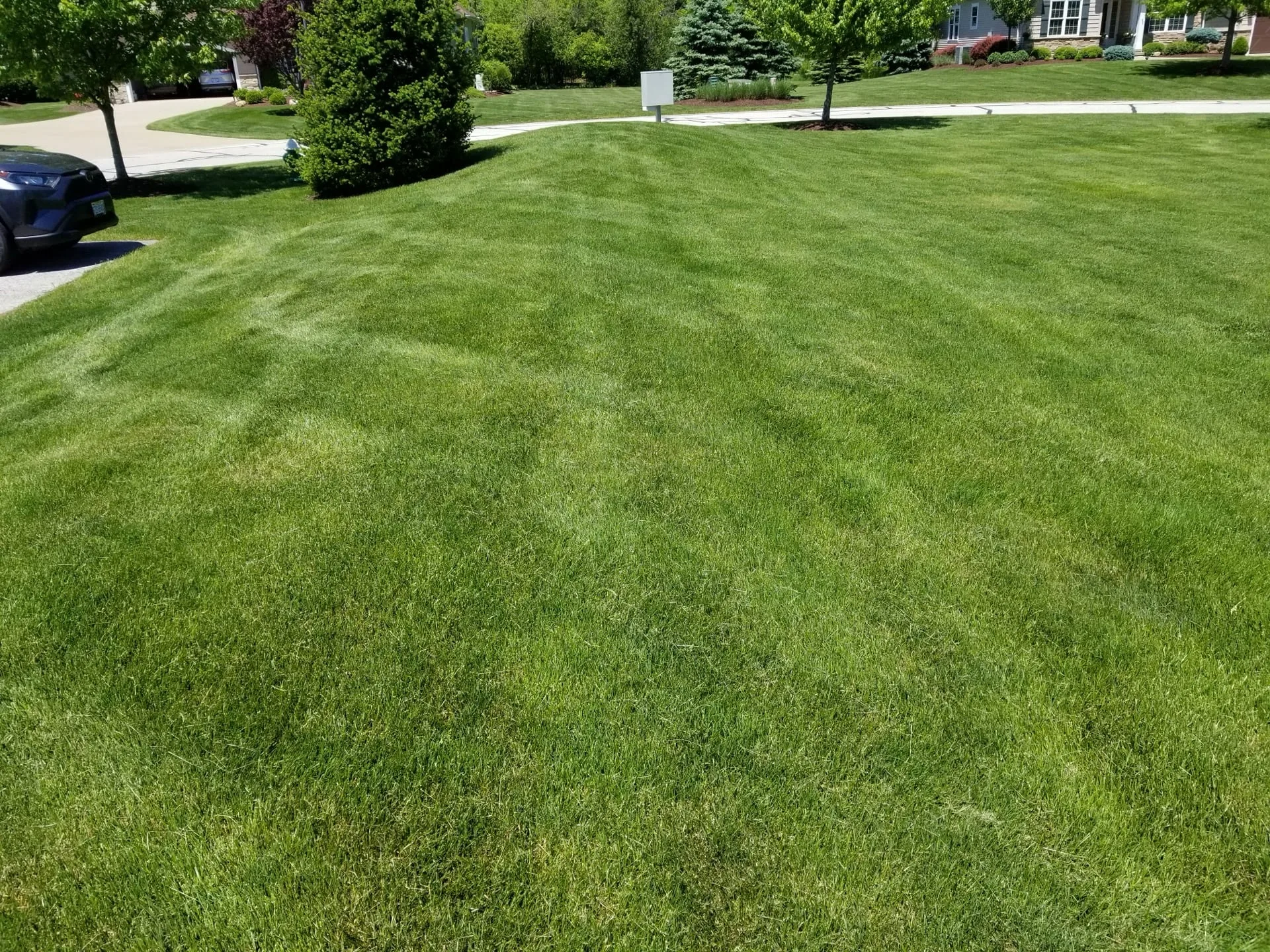
Warm afternoons pull families back to patios while fence lines and wood edges still hold April moisture. In Portage County and along the Akron-Canton corridor, that overlap is when mole runs look fresh, skunks revisit grub pockets, and thin grass along boundaries reads like neglect even when the open lawn looks fine.
This article covers fence lines, tunneling, and lawn insects before summer traffic compresses the same lanes every weekend.
It pairs with May early moisture and mow signals when color and rut stories are louder than pests, and with tick smart yard edges when biting pressure along boundaries matters as much as turf nutrition.
Why fence lines fail first
Tall grass, shade, and dog paths concentrate along fences, sheds, and wood lines. Mowers often miss the last six inches, so weeds and insects find a cooler microclimate while the center strip greens up.
Compare problem strips only to zones on your lot that get similar light. If the thin lane follows the fence where you have not trimmed since early spring, cultural cleanup belongs before you assume a new product from the hardware store will fix the look.
Moisture lingers longer on north-facing edges and behind storage sheds. That softness invites tunneling and root-feeding insects that open lawns resist. Photograph the fence line in morning light after a real rain.
Reading mole runs without guessing
Mole tunnels and vole paths are not the same problem as brown patch or fertilizer gaps.
- Moles push soil in ridges.
- Voles often leave surface runs with nibbled grass.
Collapsing spots when you step near a bed line suggest active tunneling under roots cool-season turf needs for summer recovery.
Our mole and vole management focuses on species and patterns on your property. Walk the lot once and note where ridges start and stop when you call. Fresh mounds after rain usually mean activity continues; old, sun-baked ridges may be history you are still staring at.
If birds, skunks, or raccoons dig in the same ribbon, pair mole observations with grub control conversations. Treating tunnels alone while grubs remain can feel like whack-a-mole season after season.
Lawn insects that show up before guest weeks
European chafer and Japanese beetle grubs often announce themselves as spongy turf that lifts easily — not as a single brown circle. Lawns along wood lines with heavy shade may show stress slower than sunny gates where traffic already thinned the canopy.
Separate insect stress from moisture stress with photos before and after rain.
Surface feeders and billbug damage can mimic drought in May. If irrigation did not change but a strip along the patio lightened, note whether blades pull free at the crown. Share that detail when you explore fertilization.
Perimeter comfort is a parallel story. Mosquitoes and ticks use tall fence grass and leaf litter as staging areas. Read mosquito and tick programs alongside edge cleanup, and say how you use the patio when you call (330) 296-8873.
Traffic, compaction, and worn gates
May concentrates feet on the same strips where dogs already made a path. Fix worn traffic paths in your lawn is the repair reference when wear shows faster than growth.
Hold aggressive games on spongy corners until soil firms — compaction now echoes all summer.
Core aeration may belong when clay along the fence never breathes. See soil compaction and core aeration for timing that respects moisture. Aeration opens channels; it does not replace grub monitoring or mole work when those signs are active.
Mowing and edge habits that reduce insect habitat
Taller cool-season canopies shade soil on open lawn, but fence lines still need a clean edge for air movement. Alternate mowing directions when you can so tires are not wearing the same wet lane near the gate. Sharp blades matter as much as timing.
When growth still outpaces your calendar, return to May early moisture and mow signals for cadence. Our proper mowing and more page explains height through late spring.
String trimming along fences is not cosmetic when ticks and mosquitoes use uncut grass as highways. Trim after dew dries when you can, and bag heavy clippings if they mat against boards.
Fertility only after you know what the edge needs
Pale fence strips on firm ground that get half-day sun may need nutrition timed to Northeast Ohio growth. Our spring fertilization guide explains how we pace products when roots are ready.
If you prefer fewer traditional inputs, read organic-based lawn care alongside conventional lawn care programs. Lime and soil tests still matter on clay — ask about soil test and boosters when low spots puddle.
Pulling fence, mole, and insect stories into one plan
Read boundaries honestly before summer traffic: trim along fences, identify tunnel type before treating, confirm grubs when predators dig, and separate moisture from insect stress with dated photos.
When several signals persist past one rainy week, contact Portage Turf & Pest with your town, mower height, and whether low spots still puddle after sunny days. We help homeowners in Ravenna, Kent, Hudson, Stow, and nearby communities keep late spring calmer by reading the lawn honestly.
Evening walks beat lunchtime guesses at the wood line
Grass can look fine at noon while fence grass stays wet at dusk. One slow walk along the boundary after dinner tells you more than three close-ups of a single blade.
Note mole ridges, ant hills, and where dogs always pause. Bring those notes to your visit so mole, grub, and perimeter conversations stay in the right order for Northeast Ohio May.