
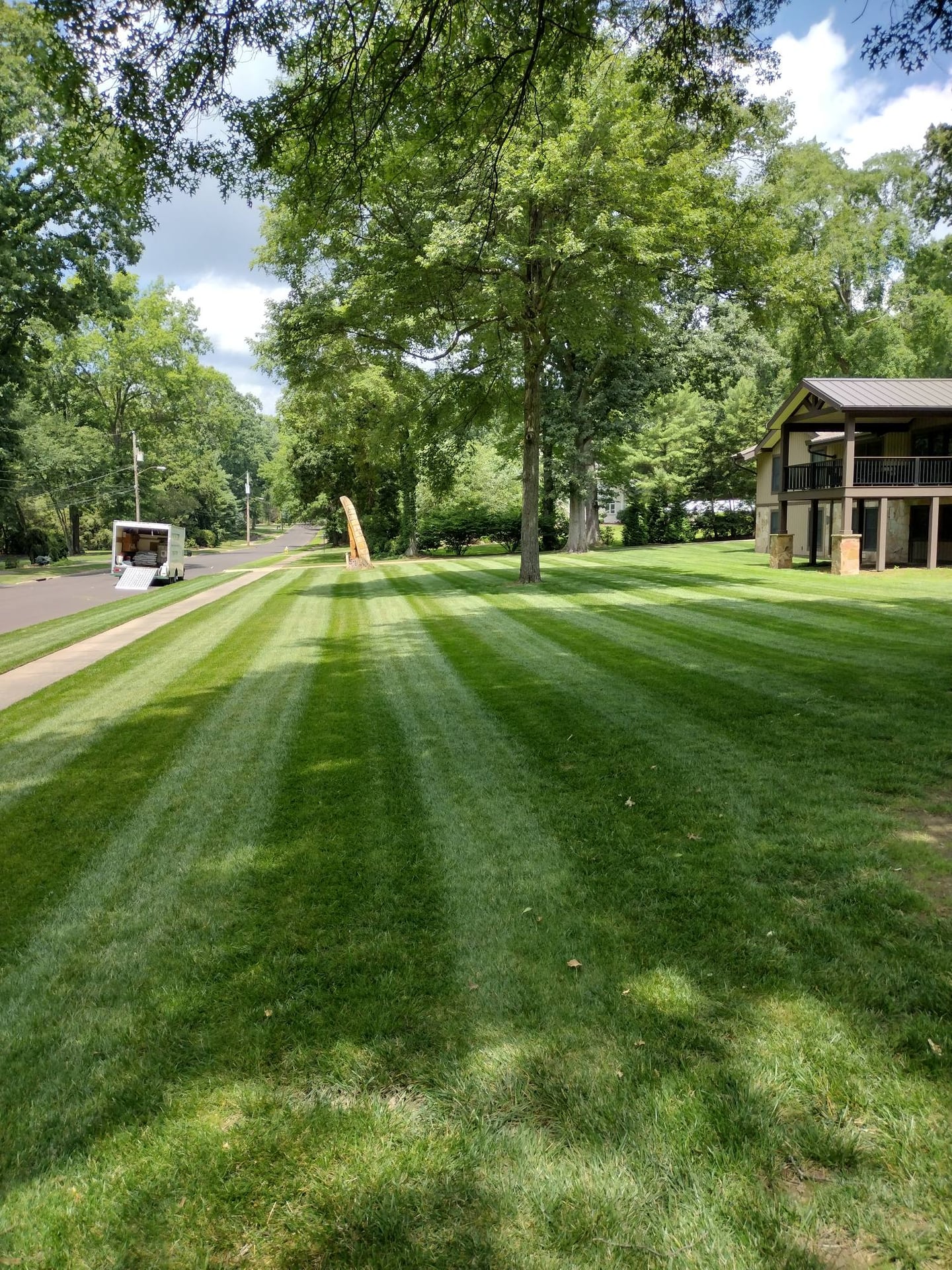
Memorial Day weekend is visible on the calendar, and you want the yard to feel ready without living behind a mower every night. April into May is the stretch where Northeast Ohio cool season lawns stop tiptoeing out of winter and start demanding a steady rhythm: sharper mowing decisions, smarter watering, and follow up on whatever you already handled during early spring cleanup. This guide anchors to that window so you are not guessing week by week. It pairs with our broader spring lawn cleanup piece and the season long view in spring fertilization guide, but it stays focused on the shift from cool wet weeks toward warmer days.
Nothing here replaces a look at your specific soil, shade, and traffic. Use it as a structured checklist, then contact Portage Turf and Pest or call (330) 296-8873 when you want programs aligned to your address in Ravenna, Kent, Stow, Twinsburg, or surrounding service areas listed on areas.
Late April: growth is real, patience still matters
By late April, grass in sunnier sections is usually green and growing. Shady pockets and low spots may still lag, especially after a wet stretch. Your jobs now are mostly observational and mechanical:
- Walk the lawn weekly and note thin lanes, lingering wet spots, or weeds that escaped earlier rounds. Soggy lawn after snow melt may still be relevant if drainage is slow.
- Keep blades sharp and avoid removing more than one third of the leaf at a time. Our proper mowing height article explains why taller cool season turf handles stress better.
- Hold off aggressive foot traffic on soft ground. Compaction now echoes all summer.
If you are on a professional program, visits are timed to growth and label requirements, not to a holiday. Homeowners sometimes expect a single application to “fix” color; in reality, steady mowing and realistic watering do a large share of the visible work in this period.
Early May: density, edges, and the first warm spells
Early May is when neighborhoods start to look uniformly green. Weeds that were small in April become obvious if they were not addressed. Pet circles and path wear from dog spots or traffic paths show up against the darker background.
Focus areas:
- Mowing cadence: You may need twice weekly cuts for a short window as growth jumps. Letting the lawn shag out once can invite seedheads and a thatchy feel.
- Edge and bed lines: A clean edge between turf and mulch makes the whole property look intentional, even if you are not renovating beds this year.
- Water only when needed: Spring rains often carry you. When nights cool and days warm, shift toward the deeper, less frequent pattern in how to water your lawn instead of daily sprinkles.
If you plan summer gatherings, this is a good moment to look at yard edges and shade lines in connection with mosquito and tick programs and the cultural habits in tick smart yard edges. Outdoor comfort is not only about grass height.
Mid to late May: before summer stress arrives
By mid May, soils warm and root growth stabilizes. You should see whether spring seeding or repair areas are filling or need another pass later in the year. Grub history and bird or skunk digging might point you toward conversations about grub control, but timing follows monitoring and property history rather than panic at the first brown blade.
This part of the season is also when homeowners compare retail bag products with program based work. If you want fewer traditional inputs, read organic based lawn care alongside fertilization so you understand tradeoffs in timing and expectations.
What to book or ask about next
Everyone’s list differs, but April into May is a sensible time to line up:
- Aeration and overseeding if compaction or thin cover showed up in early spring. Details live on aeration and seeding.
- Frost seeding follow through if you used late winter freeze and thaw windows described on frost seeding and now need to judge fill in.
- Plant health if shrubs flowered weakly or evergreens look off color; see plant health for pruning and feeding options.
For the bigger picture on trust and process, read why choose us. When you want a calendar that fits your town, not a national template, contact us with your goals for summer and fall.
Quick reference rhythm
- Weekly: Mow as growth demands, vary paths when possible, scan for weeds and pests.
- As needed: Water deeply when rainfall drops off; adjust mower height if heat arrives early.
- Seasonal: Tie cleanup, feeding, and seeding to growth stages, not holidays alone.
April into May rewards consistency more than heroics. Keep the basics steady now, and the lawn enters summer with better roots and fewer surprises.