
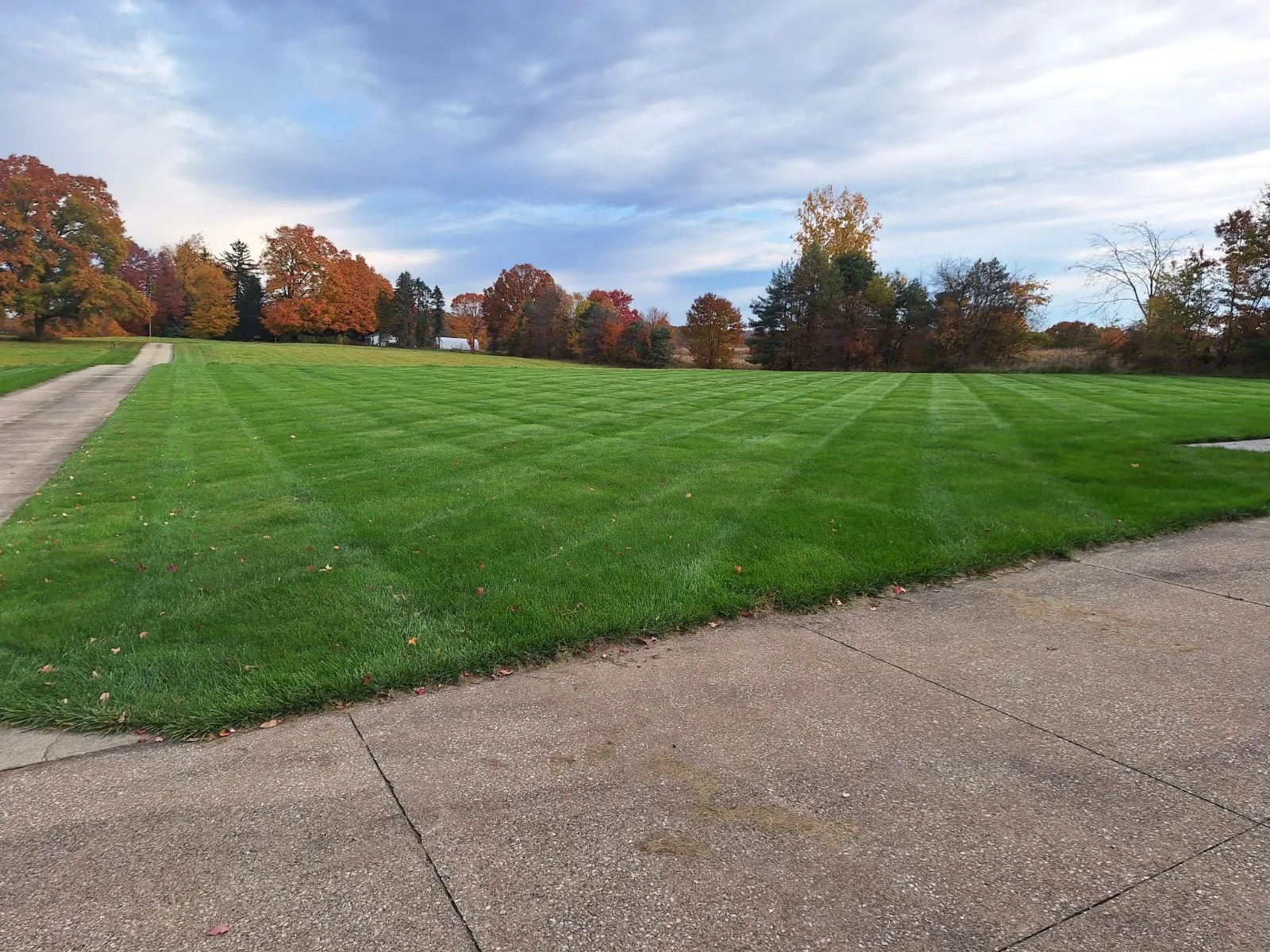
Lake-effect weather in late May often means cool nights, quick rain bands, and soil that stays soft long after the sidewalk dries. Cool-season turf in Portage County and along the Akron-Canton corridor can look green from the street while roots sit in a profile that insects already favor.
Spongy turf that lifts easily, predators digging in the same corner every evening, and pale strips that do not match your irrigation clock are all worth a calm read before summer heat stacks on the same clay.
This article focuses on lawn insect pressure on Northeast Ohio soils — not every fence-line story from earlier in the month. Pair it with May fence lines and mole runs when edges and tunneling are the louder worry.
What lake-effect soils do to insect timing
Repeated light rain on fine clay keeps the upper soil wet while roots stay shallow from a long saturated window. Insects that feed on roots or crowns find softer tissue and less recovery time between stress events.
The lawn can feel spongy underfoot even when the controller says the week was dry. That feel is information — not proof that you need the strongest product on the shelf.
Compare a north foundation strip to an open south panel on the same afternoon. If shade stays spongy while sun firms up, you are often looking at light and air movement as much as insects. If every zone stays soft after two dry days, compaction and grade deserve a walk before you chase grubs on guesswork alone.
Grubs and soil feeders before guest weeks
European chafer and Japanese beetle grubs often announce themselves as spongy turf that lifts easily — not as a single brown circle. Lawns along wood lines with heavy shade may show stress slower than sunny gates where traffic already thinned the canopy.
Separate insect stress from moisture stress with photos before and after rain.
Surface feeders and billbug damage can mimic drought in late May. If irrigation did not change but a strip along the patio lightened, note whether blades pull free at the crown. Share that detail when you explore fertilization.
Our grub control page explains how we monitor soil feeders when predators keep returning to the same area.
If birds, skunks, or raccoons dig beside a spongy patch, treat that as grub or soil insect data — not only a mole story. Mole and vole management still matters when ridges are active, but predator holes on firm ground beside lifting turf often point down first.
Moisture traps that look like insect damage
Lake-effect weeks can leave low bowls wet while the crown of the lot dries. Pale grass in those bowls may lighten from roots sitting in water, not from billbugs.
April lawn low spots after rains and soggy lawn after snow melt help separate grade from insects. Pour a cup of water on a firm strip and a wet strip after two dry days. If only the bowl darkens instantly, start with drainage and aeration before insects.
Irrigation overlap can keep clay cool and soft along spray edges, which insects also like. How to water your lawn and May early moisture and mow signals give the cultural frame.
Perimeter insects and the same wet edges
Mosquitoes and ticks stage in tall grass and leaf litter along wood lines and fence corners. Late May humidity extends those zones even when open lawn looks ready for traffic.
Cultural cuts along boundaries help; mosquito and tick programs support corners people actually cross. Tick smart yard edges pairs with this read when biting pressure matters as much as grubs.
Note ant mound location and size before you treat the whole yard. Perimeter programs through pest control can align with lawn visits when you describe how the family uses the yard in late May.
Mowing height and traffic while roots recover
Scalping stressed turf before a party invites surface feeders and disease that do not fit the real pattern. Hold height steady on cool-season grass until the profile firms.
Proper mowing height and our proper mowing and more page explain late-spring habits. Fix worn traffic paths matters when graduation week already compressed soil insects will use all summer.
Core aeration may belong when clay never breathes, but timing on wet lake-effect soil matters. Our soil compaction guide walks honest windows.
Programs and organic options on heavy clay
Our spring fertilization guide explains pacing when roots are ready. Organic-based lawn care and full lawn care programs let you match inputs to how wet your lot runs.
Mention spongy zones, predator dig spots, and whether low spots still puddle when you contact Portage Turf & Pest at (330) 296-8873.
Soil test and boosters still matter on lake-effect clay. pH and calcium stories change how roots take feeding after insect stress.
A late May walk that sorts insects from weather
Walk the lot once after a rain band and once after two dry days. Photograph spongy patches, predator holes, and spray overlap near the house. Note mower height and whether the gate path still sinks.
That ten-minute loop prevents treating drought like grubs or grubs like mole ridges.
Use areas to confirm service towns, and browse services when you want mole, grub, perimeter, and fertility stacked in a sensible order for Northeast Ohio clay.
Closing the late May insect read honestly
Lake-effect soils keep late May complicated. Insects wake on soft profiles, moisture masks their signatures, and summer traffic arrives on the same lanes whether roots are ready or not.
Read spongy turf, predators, and water overlap before you label the whole lawn. Stack cultural fixes, monitoring, and professional programs in an order clay can absorb.
When patterns persist past one rainy week, contact Portage Turf with your town, photos, and whether lifting turf follows sun, shade, or spray edges. We serve Ravenna, Kent, Hudson, Stow, and nearby communities with programs that respect Northeast Ohio seasons.