
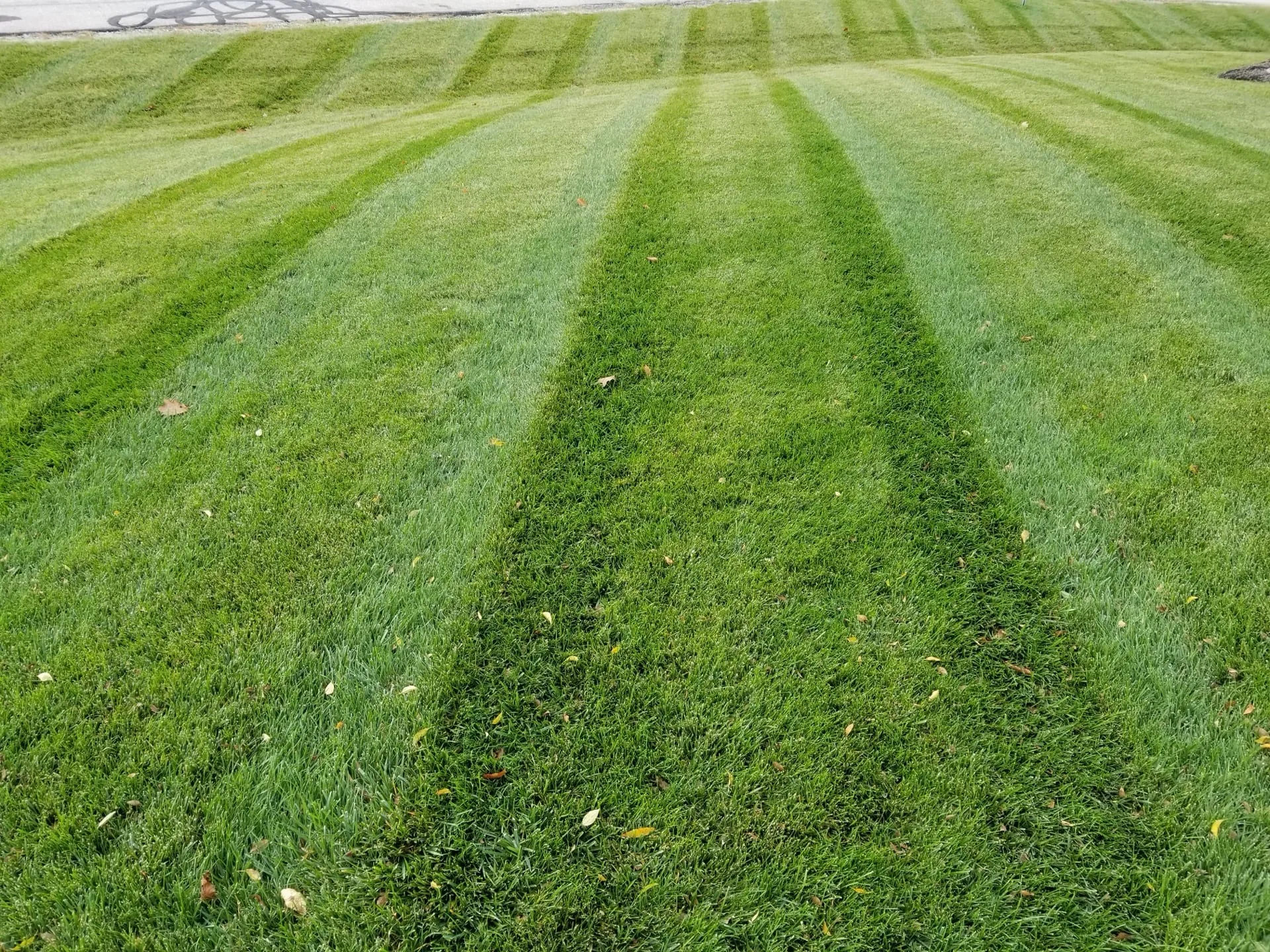
May around Portage County and the Akron Canton corridor is rarely one story. Afternoon sun pulls moisture off leaf blades while clay pockets in the root zone still carry April rain. Your mower leaves a darker stripe on the first pass, dogs find the same squishy corner every evening, and the calendar quietly adds graduation parties you forgot when you set the irrigation clock. This article is a grounded read on moisture and mow signals before you chase every off color patch with a new bag from the hardware store.
It pairs with our April into May lawn rhythm guide when you want the wider seasonal frame, and with soggy lawn after snow melt when low spots still behave like winter. For a quick sort when several worries fire at once, try the May moisture and mow priority quiz, then return here for the narrative version of the same season.
Why the first evening mow lies
Grass can look thirsty at five and still squish at eight. That mismatch matters because heavy mow wheels on soft soil etch ruts you will still see in July. If you only look at the lawn at lunch, you may read stress backward. Walk the same path after dinner once this week and note whether your boot leaves a clean print. Dew, shade, and clay hold moisture longer than sunny strips along the drive in Ravenna or Stow.
If the gate path never firms while the front dries, you are looking at grade, compaction, or gutter flow as much as mowing. April lawn low spots after rains walks the honest drainage read we still use in May. Aeration may help certain compaction cases; regrading may belong when water never leaves the bowl after three sunny days.
Color without panic words
Uneven green often traces to shade lines, dog paths, and irrigation overlap before it traces to mystery disease. Compare problem strips only to zones on your lot that get similar light. If the thin lane follows the fence where tall grass returned while you were busy, read tick smart yard edges before you assume fertilizer alone will fix the look.
Pet circles from winter show up against darker May turf. Dog spots on your lawn explains repair timing that respects moisture, not frustration Tuesday seeding on mud. When color is pale on firm ground that gets full sun, fertilization may belong in the conversation with realistic growth expectations from our spring fertilization guide.
Mowing as a moisture decision
Taller cool-season canopies shade soil and reduce evaporation stress. If growth jumped after warm rain, mow again sooner instead of taking one deep pass that exposes crowns. Alternate directions when you can so tires are not wearing the same wet lane near the gate. Sharp blades matter as much as timing; see April first mow blade sharpness when torn tips look like disease from the street.
When growth still outpaces your calendar, late April when lawn growth outpaces mowing remains the companion read for cadence. Our proper mowing and more page explains how we think about height through May if you want professional help without pretending every lot needs the same weekly schedule.
Irrigation habits that help or hurt clay
Spring rains often carry properties into May. When you switch clocks on, favor deeper, less frequent cycles in how to water your lawn instead of nightly sprinkles that keep tissue soft. Overlap from heads along the same wet edge can mimic disease and invite ruts when you finally mow. Tell your technician about soggy corners before a visit so label windows and growth push stay realistic.
Feeding grass that cannot take traffic yet is a different plan than feeding grass that simply needs less water. If you prefer fewer traditional inputs, read organic based lawn care alongside conventional lawn care programs so expectations match how wet your lot runs.
Traffic, parties, and worn lanes
May concentrates feet on the same strips where dogs already made a path. Fix worn traffic paths in your lawn is the repair reference when wear shows faster than growth. Hold aggressive games on spongy corners until soil firms; compaction now echoes all summer. If several gathering worries compete, the May gathering lawn priority quiz sorts color, wear, and patio pests as a starting direction only.
Photograph the gate path and the downspout outlet in morning light after a real rain. Those two frames usually explain more May color drama than a full album of close ups on single blades. Share them when you contact us so routes and timing stay practical for your town on areas.
Pests, perimeter comfort, and the same calendar
If evenings outside already mean swatting, mosquitoes may deserve a seat at the same table as turf. Our mosquito and tick programs focus on where people actually sit, not only on the far wood line. Cultural cuts along fence lines still help; professional treatment supports busy corners kids actually use. Say how you use the patio when you call (330) 296-8873 so we do not treat a wood line you never enter.
Grub history and bird digging might point toward grub control conversations, but timing follows monitoring and property history rather than panic at the first pale blade in a wet corner. Separate moisture stress from insect stress with photos before and after rain.
Pulling the signals into one plan
Moisture and mowing read together in Northeast Ohio May: firm soil before heavy decks, sharp blades before fertilizer guesses, honest drainage maps before seed on mud, and perimeter comfort where people sit. Read why choose us when you want a team that stacks services in an order that respects clay, and soil test and boosters when numbers would settle a lime or fertility debate.
When several signals persist past one rainy week, contact Portage Turf and Pest with your town, mower height guess, and whether low spots still puddle after sunny days. We help homeowners in Ravenna, Kent, Hudson, and nearby communities keep May calmer by reading the lawn honestly instead of chasing labels that do not match the ground underfoot.
Evening walks beat lunchtime guesses
Make one slow lap after dinner the week before guests arrive. Note where dew stays, where dogs loop, and where the mower left a darker stripe on the first pass. Compare that walk to a firm afternoon path the same week. If the two reads disagree, moisture is driving more of the story than fertilizer.
Write down mower height, last cut date, and whether you bagged clumps off wet turf. Those three facts save time on the phone and keep May visits aligned with label windows. Moisture and mow signals are not glamorous, yet they prevent most of the panic calls we see when a warm front follows a wet week and everyone wants a same day fix.